Miniature Pinscher Dog Breed Growth & Weight Chart
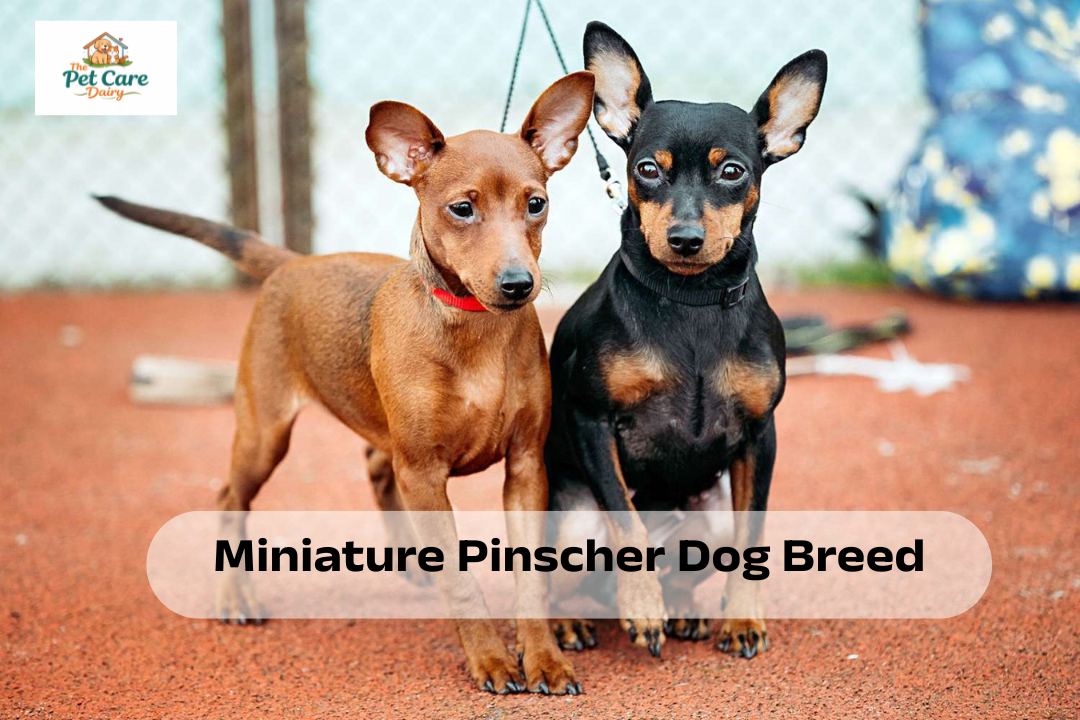
Miniature Pinschers are a fun-loving toy breed with a compact, wedge-shaped constitution and a lustrous coat. Their coats are smooth and glossy, and come in two shades of chocolate, solid red and rust or black and rust.
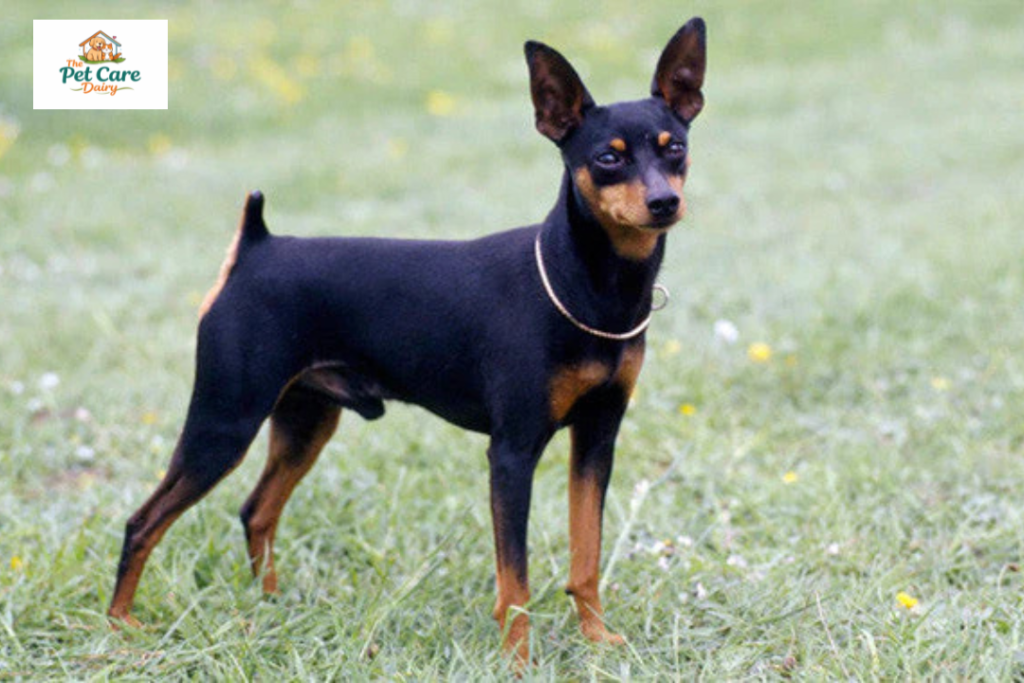
A Miniature Pinscher has dark, slightly oval eyes, a conical head, and highly set ears, on the base of the head. Its distinctive characteristic is its high-stepping hackney gait. The Miniature dog breed has a strong muzzle, tight lips, and small cheeks.
As you enjoy the excitement of raising your Miniature Pinscher, here is everything you need to know about their growth rate and more important information to know, including how much to feed a puppy, maintaining their health, and more.
Small Pinscher Size & Growth Chart
The following chart gives an estimation of the monthly weight of a Miniature Pinscher. Your pup’s results may be different depending on their feeding patterns and activity levels. Remember to make veterinary appointments regularly to keep your puppy healthy.
Male Miniature Pinscher Weights & Heights by Age
This chart shows the average heights and weight of male miniature from birth to three years of age. The numbers are only averages, and you should consult your veterinarian if you have concerns regarding your puppy’s growth.
Age Average Weight (pounds) Average Height (inches)
Newborn 0.2 – 0.3 2 – 3
1 month 1 – 2 4 – 5
2 months 2 – 3.5 5 – 6
3 months 3.5 – 5 6 – 7
4 months 5 – 6.5 7 – 8
5 months 6 – 8 8 – 9
6 months 7 – 9 9 – 10
7 months 7.5 – 9.5 9.5 – 10.5
8 months 8 – 10 9.5 – 11
9 months 8.5 – 10.5 9.5 – 11.5
10 months 8.5 – 11 10 – 11.5
11 months 9 – 11.5 10 – 12
12 months 9 – 12 10 – 12.5
2 years 9.5 – 12.5 10.5 – 12.5
3 years 9.5 – 13 10.5 – 12.5
Female Miniature Pinscher Weights & Heights by Age
The following chart lists the average heights and weighs of female Miniature Pinscher from birth to three years of age.
Age Average Weight (pounds) Average Height (inches)
Newborn 0.1 – 0.25 2 – 3
1 month 0.75 – 1.75 3.5 – 4.5
2 months 1.5 – 3 4.5 – 5.5
3 months 3 – 4.5 5.5 – 6.5
4 months 4 – 6 6.5 – 7.5
5 months 5 – 7 7 – 8.5
6 months 5.5 – 7.5 7.5 – 9
7 months 6 – 8 8 – 9.5
8 months 6.5 – 8.5 8 – 10
9 months 6.5 – 9 8.5 – 10.5
10 months 7 – 9.5 8.5 – 11
11 months 7 – 10 8.5 – 11.5
12 months 7.5 – 10.5 9 – 12
2 years 7.5 – 11 9 – 12.5
3 years 8 – 11.5 9 – 12.5
When Do Miniature Pinschers Stop Growing?
Most Miniature Pinschers achieve full height when they are nine to 12 months of age. Others continue to fill out in muscle tone and ripen in weight until 18 months of age. Miniatures lose their baby teeth between three to four months of age and develop their full set of adult teeth by six to seven months.
Despite their smaller size, Miniatures have a lot of energy and need to exercise and play more frequently for physical and mental stimulation. During their growth, they need to exercise for about 30 to 60 minutes daily. Regular exercise limits behavioral issues that arise from boredom or pent-up energy.

Miniature coats remain short and sleek at full growth and require minimal grooming. Their mind also develops fully, and they can sometimes challenge you through their independent thinking capacity. Additionally, most Miniatures overcome their fears during adolescence.
How Much Bigger Miniature Pinscher Get?
The Miniature Pinscher is a small breed, with adult dogs being 10 to 12 inches tall and weighing 8 to 12.5 lbs. The final weight of your dog mainly depends on genetics and the overall care you provide.
Dogs need a balanced diet with the right amount of phosphorus and calcium. Regular exercises boost their growth by strengthening bone strength. As your miniature grows, its coat remains consistent, but the sheen and thickness depend on the kind of diet you provide.
Various health issues can impact the growth of your Miniature Pinscher. These include heart conditions and issues like patellar luxation. Regular visits to a veterinarian can help identify and address these concerns during the early stages.
What Is the Size of a Full-Grown Miniature Pinscher?
An adult male Miniature Pinscher stands at an average height of 10 to 12.5 inches and weighs 9 to 12 lbs. A female Miniature Pinscher has an average height of 7.5 to 10.5 inches and weighs 9 to 12 pounds.
Mature Min Pins have a compact athletic frame that contributes to their energetic and vibrant appearance. Their bodies are robust and well-proportioned, showcasing a strong, muscular build. Considering their weight, their light bodies contribute to their agile nature and physical activity.
A fully-grown Miniature Pinscher has a strong pack-leader mentality. Training your puppy in their early stages allows them to respond to your leadership, even in adolescence. They are a family-oriented dog breed and love children. Dedication and consistency during training help raise a faithful and fun companion for your family.
Is the Miniature Pinscher Healthy?
Raising a healthy Miniature Pinscher involves appropriate exercise, proper training, and a balanced diet. Include the right mix of carbohydrates, minerals, proteins, and fats. Feed your Miniature Pinscher with an AAFCO-approved diet with nutritional analysis and clinical trials.
Light brushing their short, thin coats weekly helps preserve their shiny, colorful appearance. Avoid bathing and shampooing your dog unnecessary to avoid drying out the skin. When bathing your dog, use a wet washcloth and start from the head down to the tail. You can also keep your dog clean by brushing their teeth and trimming their nails.
A Miniature Pinscher needs some human play time to exercise and burn surplus energy. Feed your dog according to their activity level to keep them energetic and well-nourished. Your Min Pin will be exposed to parasites such as insects, ticks, and fleas, which can cause internal health issues and allergies.
Regular visits to your veterinarian are also vital to ensure your dog is growing and developing properly and help maintain their overall health.
The Miniature Pinscher, often called the “King of Toys,”
is a small but energetic dog breed known for its fearful personality, elegant appearance, and lively nature. Despite its small size, the Miniature Pinscher (Min Pin) is confident, intelligent, and full of energy. Understanding the growth stages of this breed helps owners provide the proper nutrition, exercise, and care needed for healthy growth. In 2026, Miniature Pinschers remain popular among apartment dwellers and families due to their compact size and affectionate temperament.
Miniature Pinscher puppies grow rapidly during their first few months of life. At birth, they typically weigh only a few hundred grams, but their growth accelerates quickly with proper nourishment. During the first eight weeks, puppies depend heavily on their mother’s milk and slowly transition to puppy food. This stage is crucial for bone development, immune system growth, and socialization. Owners should ensure puppies receive high-quality nutrition and routine veterinary care to support healthy development.
Between 2 and 6 months of age, Miniature Pinscher puppies experience their fastest growth period. During this phase, they become more active, curious, and playful. Their muscles grow, adult teeth begin replacing puppy teeth, and coordination improves significantly. Puppies require balanced nourishment rich in protein, vitamins, and minerals to support healthy growth. Training and socialization should also begin early to help develop confidence and good behavior.
By 6 to 12 months, Miniature Pinschers begin approaching their adult size.
Growth slows compared to earlier months, but physical and mental growth continues. Most Pins reach their full height by around 10 to 12 months, although they may continue filling out and gaining muscle until approximately 15 months of age. Consistent exercise, training, and proper feeding remain important during this adolescent stage.
Adult Miniature Pinschers typically stand between 10 and 12.5 inches (25–32 cm) tall at the shoulder and weigh approximately 3.5 to 5 kilograms (8–12 lbs). Males are often slightly larger than females, although the difference is usually minimal. Their compact, athletic build and naturally energetic personality make them excellent companions for active families.
As Miniature Pinschers mature, maintaining a healthy weight becomes important. Because of their small frame, excess weight can put stress on joints and contribute to health issues. Regular exercise, portion control, and regular veterinary checkups help ensure long-term wellness. Daily walks, play sessions, and mental stimulation activities are necessary because Min Pins are highly energetic and intelligent dogs.
The Miniature Pinscher may be tiny in size, but it has a big personality and impressive energy levels. Most Min Pins reach their full height by their first birthday and achieve full physical maturity shortly thereafter. With proper nutrition, exercise, training, and healthcare, these vibrant dogs grow into confident, healthy, and affectionate companions. Understanding their growth stages allows owners to provide the best possible care and support throughout every phase of development.
The Miniature Pinscher is a small dog with a huge personality. Known for its afraid attitude, alert nature, and endless energy, this breed develops quickly during its first year of life. Though often mistaken for a miniature Doberman, the Miniature Pinscher is a distinct breed with its own unique history and characteristics. Their growth journey is fascinating because while they remain physically small, they develop strong self-confidence and independence from an early age.
For more such pet care information, connect with us today: https://thepetcarediary.com