Allergies In Dogs: Causes, Symptoms, Treatments & Costs
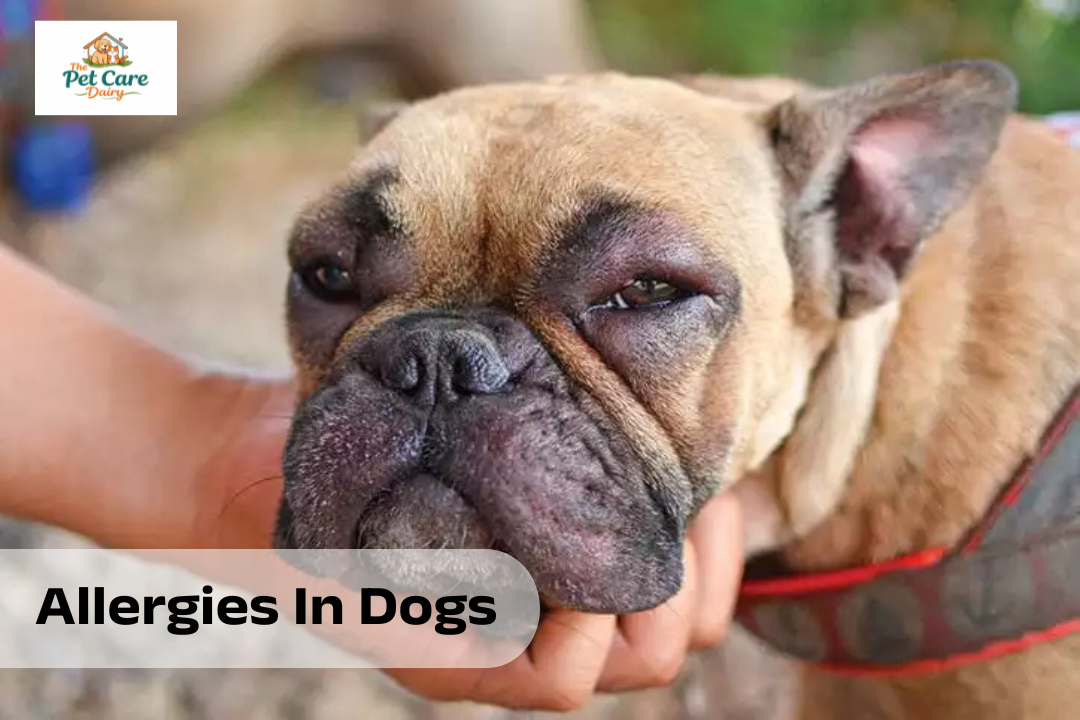
Does your dog continuously lick, chew, or scratch itself? Are you constantly wondering, “Why is my dog so itchy?” These can be tell-tale indicators that your dog has allergies.
Allergies in dogs are quite common, accounting for one of the leading causes of vet visits in the United States. 1 Dog allergies usually affect the skin and ears, although symptoms can appear elsewhere and range in severity. Unlike human allergies, dogs’ allergic reactions tend to get worse—not better—with age or exposure, and in some cases, they can even be fatal if left untreated.
If you or your vet suspect your pet dog has allergies, keep reading. This post discusses the classic symptoms of allergies in dogs, allergens that typically trigger adverse reactions in canines, how to treat your pet’s condition, and more.
Can dogs have allergies?
If you’ve ever wondered, “Can dogs have allergies?” the answer is yes. Just like humans, pets can also have allergies to food and particles in the environment that trigger an immunological reaction upon contact. Dogs of any breed and age can develop allergies at any time.
How common are allergies in dogs?
Allergies are one of the most common health issues in dogs. About 20% of all dogs will develop an allergy at some point in their lives, with symptoms initially typically occurring between one and two years old.2
According to specialists, up to 20% of all dogs will develop allergies over their lifetime, and the typical age of onset is between six months and three years old.
Symptoms of allergies in dogs
A dog with allergies may show a range of symptoms depending on the source, severity, and location of the reaction. Usually, allergy symptoms in dogs often include:
itchiness
Licking
Scratching
red skin
face rubbing
fur loss
Recurrent skin, paw and ear infections
Symptoms like vomiting and diarrhea
Swelling
Hives
chronic cough
sneezing
runny eyes
How do dogs get allergies?
Dogs get allergy symptoms when they come into contact with a substance they are intolerant to (known as an allergen), triggering an immunological reaction in the body. Common allergens in dogs are:
food
insect bites
Pollen
Fungus spores
Certain surfaces
When affected dogs contact (touch, ingest, or inhale) an allergen they’re susceptible to, the allergen triggers an immune system reaction and spike in histamine production. Histamines are organic chemicals released by white blood cells whenever the immune system is perceived to be under a centralized attack (i.e., at one specific spot in the body).
These chemicals act like internal bodyguards that fight to get rid of whatever is troublesome the body and causing the local immune response. While this line of defense is certainly useful in warding off pathogens that cause illness, most allergens don’t actually pose a health threat. High histamine levels in the bloodstream are responsible for the traditional symptoms of allergies in dogs. Most notably, histamines cause inflammation that leads to inflammation, redness, and itching.
Why some dogs are more prone to allergies than others may be due to genetics. If you purchase a puppy from a breeder, it’s a good idea to inquire about allergies and other immunologic disorders in the gene pool. Allergies can also be acquired over time.

Types of allergies in dogs
Dog allergies can be classified in several ways, such as:
Route of entry into the body(consumption of food, contact with the skin, or inhalation)
The allergen (food, insect, etc.)
Clinical symptoms(respiratory issues, skin lesions, gastrointestinal symptoms)
Speed of the allergic reaction (a delayed or immediate response, otherwise known as anaphylaxis)
Food allergies in dogs
Dogs can suddenly develop food allergies at any point in life, irrespective of whether they’ve eaten that particular variety or brand of dog food in the past. In fact, feeding your dog a single food for an extended period of time can actually increase their odds of developing an intolerance to one or more of those ingredients.
In most cases, food allergies in dogs are an immunological reaction to a source of protein in their diets, such as egg, dairy, chicken, and especially beef (one of the most prevalent ingredients in commercial dog food formulas). However, carbohydrates can also trigger dog food allergies.
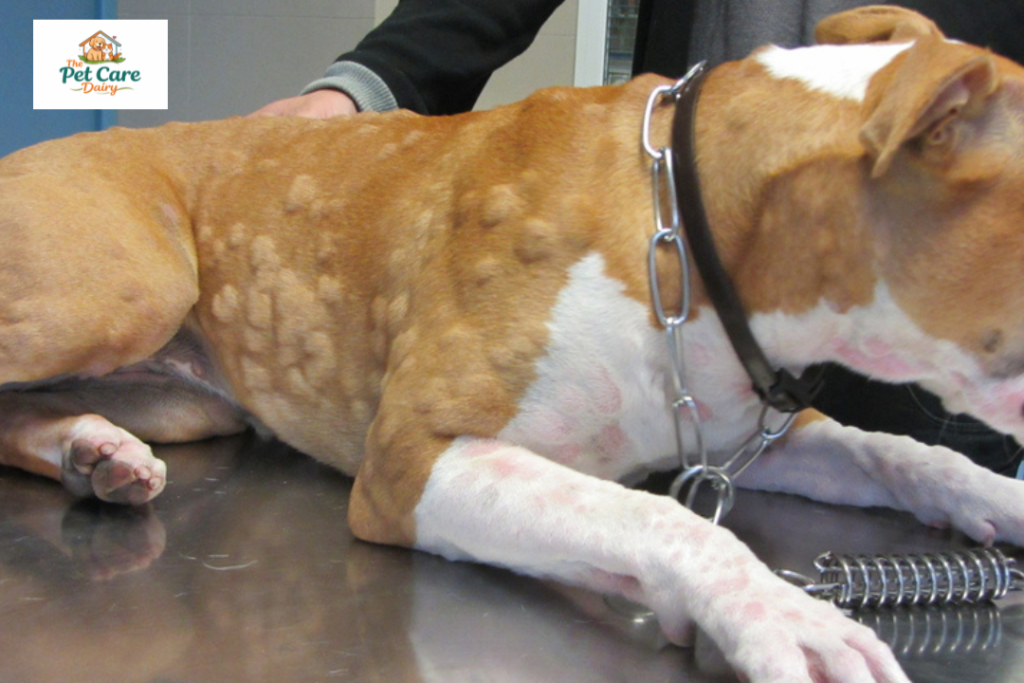
The symptoms of allergic reactions to food in dogs frequently manifest as gastrointestinal symptoms (vomiting and/or diarrhea), skin disorders (itching, hives, face puffiness), or both.
Skin allergies in dogs
The most common type of allergies in dogs is skin allergies, also known as allergic dermatitis. Flea allergies, food allergies, and environmental allergies are the three leading causes of skin allergy in dogs.
Flea allergy dermatitis, or an allergic response to flea bites, is the most common allergy in dogs. Some canines are sensitive to flea saliva and experience severe itching when bitten, frequently causing the skin to turn red, swell, and scab over. The most typical sign of flea allergy dermatitis is itchiness and irritation near the base of the tail, although other parts of the body may also be impacted. Flea dirt or the actual fleas themselves may also be visible.
Food allergies may also cause itchy skin. Dogs with food allergies frequently scratching their ears and lick their paws, which may be followed by gastrointestinal issues.
Environmental irritants like pollen, mold, and dust can result in atopic dermatitis or allergic reactions. Since these allergies are typically seasonal, your dog may only itch at particular periods of the year. The paws and ears are typically influenced, just like with food allergies.
Secondary infections are possible with all kinds of skin allergies. Your dog runs the risk of being exposed to bacterial and yeast infections that may need to be treated by itching, biting, and licking at their skin.
Acute allergic reactions
An acute allergic reaction — or one that triggers an immediate response — is the most fearful out of all the types of allergies in dogs. Dogs can go into anaphylaxis if they have a severe allergic reaction, just like humans. Anaphylactic reactions are rare, but if left untreated, they could be fatal. Symptoms include:
Vomiting
Episodes of collapse
Respiratory distress
Some dogs may experience anaphylactic shock in reaction to bee stings and vaccines, among other triggers. For this reason, it’s always desirable to closely monitor your dog after the administration of any new vaccine, medication, or food.
Dog allergies are among the most common health issues affecting pets today. Just like humans, dogs can develop allergic reactions to certain foods, environmental substances, pests, and even household products. Allergies occur when a dog’s immune system overreacts to a normally harmful substance, known as an allergen. While allergies are rarely life-threatening, they can significantly impact a dog’s comfort, skin health, behavior, and overall quality of life if left untreated. In 2026, advances in veterinary medicine have improved the diagnosis and management of canine allergies, helping dogs live healthy and more comfortable lives.
One of the most common types of allergies in dogs are environmental allergies, also known as atopic dermatitis. These allergies are triggered by substances such as pollen, dust spores, mold spores, grass, weeds, and other airborne particles. Dogs with environmental allergies often experience symptoms seasonally, although some may suffer year-round depending on the allergen. Another common allergy is flea allergy dermatitis, where a dog develops an intense response to flea saliva. Even a single flea bite can trigger severe itching and discomfort in sensitive dogs. Food allergies are another possibility and are typically caused by specific proteins or ingredients found in a dog’s diet. Common triggers may include beef, chicken, dairy products, wheat, soy, or certain additives.
The symptoms of allergies can vary from one dog to another.
Persistent itching is one of the most recognizable signs. Dogs may scratches excessively, lick their paws, rub their faces, chew on their skin, or shake their heads frequently. Red or inflamed skin, hair loss, hot spots, recurrent ear infections, watery eyes, and skin infections are also common. Some dogs with food allergies may experience digestive problems such as nausea, diarrhea, gas, or chronic stomach upset. Because many allergy symptoms overlap with other medical conditions, veterinary assessment is important for obtaining an accurate diagnosis.
Diagnosing allergies frequently involves a combination of medical history, physical examinations, elimination diets, skin testing, blood testing, and parasite control assessments. Veterinarians may recommend ruling out fleas, infections, and dietary causes before confirming environmental allergies. In certain cases, allergy testing can help identify specific triggers and guide treatment plans.
Treatment depends on the type and severity of the allergy. Environmental allergies are frequently managed through a combination of medications, medicated shampoos, regular bathing, allergy-control products, and environmental management. Food allergies typically require a carefully controlled elimination diet followed by long-term feeding of a diet that avoids triggered ingredients. Flea allergy dermatitis requires strict flea prevention throughout the year. Some dogs may benefit from immunotherapy, which slowly helps the immune system become less sensitive to specific allergens.
Home care also plays an important role in allergy management. Regular grooming, frequent washing of bedding, keeping living areas clean, and wiping paws after outdoor walks can help minimize exposure to allergens. Maintenance a healthy diet and following veterinary recommendations can further support skin health and immune function.
The cost of allergy treatment varies depending on the cause, severity, and location. Initial veterinary consultations may range from ₹500 to ₹2,500 in India, whereas allergy testing can cost anywhere from ₹5,000 to ₹20,000 or more. Prescription medications, special diets, flea prevention products, and long-term treatments can add ongoing monthly expenses. While allergy management can be expensive, early diagnosis and treatment often help prevent more serious complications and improve a dog’s quality of life.
For more such pet care information, connect with us today: https://thepetcarediary.com