Himalayan Guardian Dogs: Unsung Sentinels of the Shepherds of the Himalayas
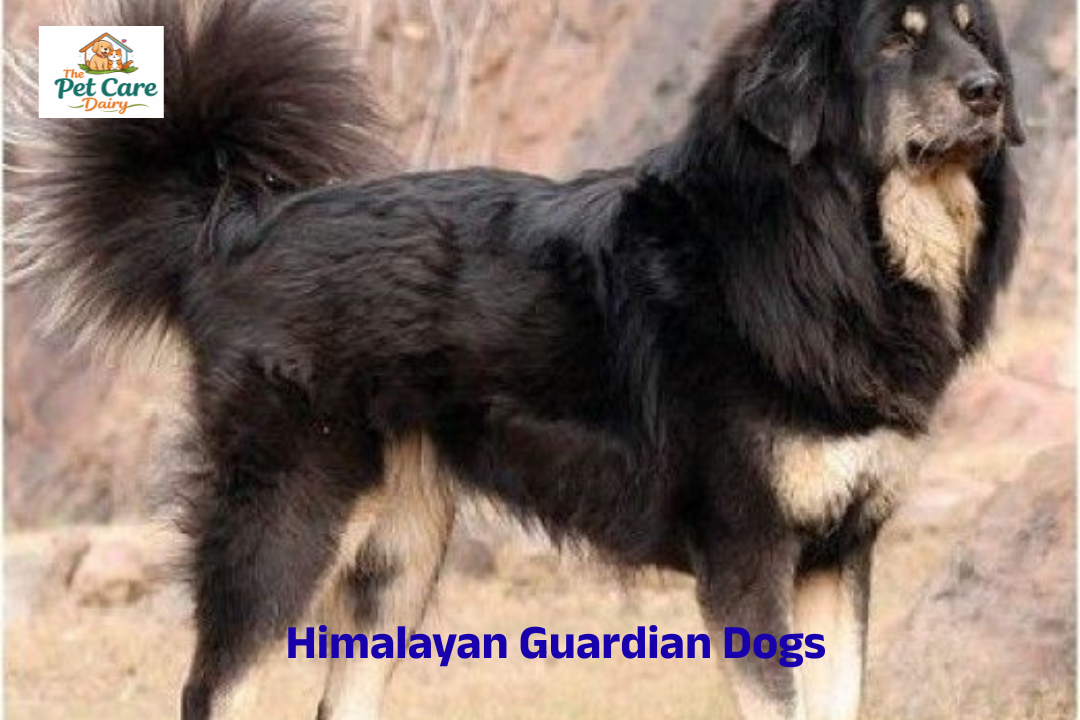
By protecting livestock from predators, Himalayan guard dogs create a secure and safe environment for Gaddi shepherds as they graze their livestock in the summer. The shepherd-dog partnership shows how a traditional, non-lethal practice has facilitated safe cohabitation and coexistence of humans and wild beings in this shared landscape.
Pastoral Communities of the Indian Trans-Himalaya
Standing amid the vast trans-Himalayan grasslands, I was filled with quiet reverence for these life-sustaining pasturelands. The silence was broken by the bleats and baas of migrating sheep and goats, following the whistles and calls of their shepherds. Each summer, Gaddi shepherds embark on arduous journeys with their livestock to the alpine pastures of the Himalayas, known locally as ghar or dhar. For these shepherds, a semi-nomadic co-living with their grazing flocks is not merely a source of livelihood—it is their chosen way of life. Yet, their transhumant lifestyle is fragged with challenges as they navigate treacherous terrain while safeguarding their herds from theft and wild predators. To endure these difficult realities of the land, these pastoralists have long relied on their valued partnerships with domestic dogs to protect their flocks and camps.
Himalayan Guardian Dogs: The Unsung Sentinels of Himalayan Pastoralism
The high-altitude grasslands of Lahaul, Himachal Pradesh, are home to predators such as snow leopards, Tibetan wolves, and brown bears, posing a significant threat to livestock. In these shared rangelands, I witnessed the essential role of Himalayan guardian dogs in safeguarding the Gaddi flocks.
Typically large and imposing, guardian dogs are fierce guardians of shepherd camps, especially at night when the shepherds rest. Every shepherd camp typically has two or more guardian dogs, keeping a alert eye, ear, and nose out for anything suspicious throughout the day and night. Shepherds prefer large, long-haired dogs that can withstand the cold and ward off potential threats. Their deep, sonorous barks act to alert and warning both animal and human intruders, deterring predators and thieves alike. As livestock theft becomes increasingly common—particularly when shepherds traverse the forested foothills—these dogs are economically vital.
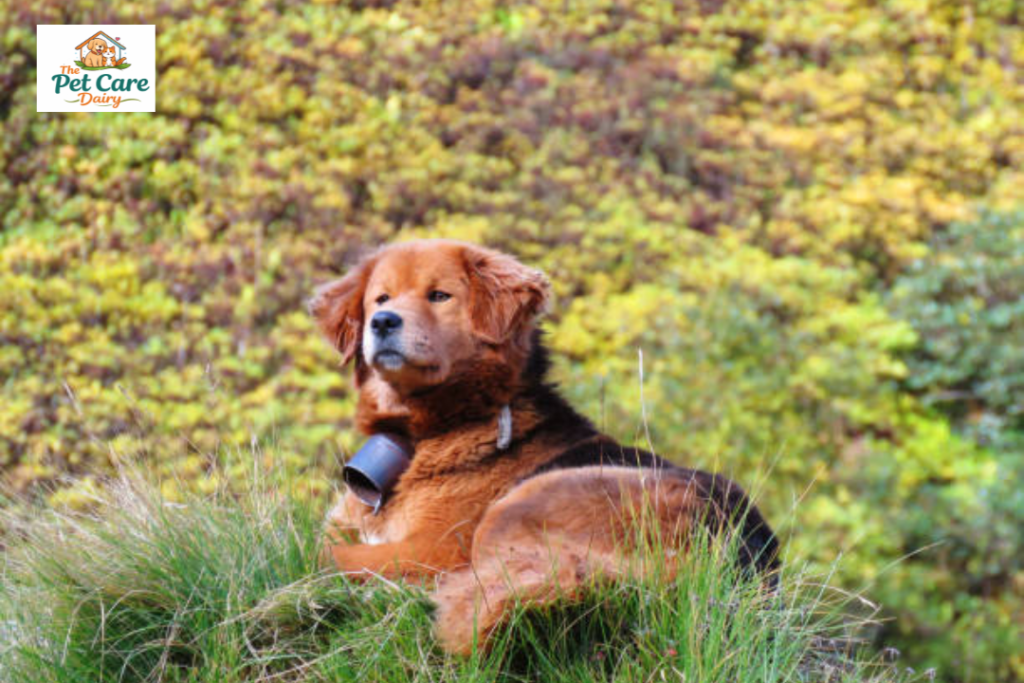
These guard dogs are not herding dogs. The key distinction is that these dogs do not assist in herding or guiding livestock across grazing grounds. That is the shepherd’s duty. Rather, their role is to stay alert to potential threats, whether at the front or rear of the herd and signal any danger. Despite the western label of “livestock guard dog,” guarding the livestock is only one of the many roles of the Himalayan guard dogs. Whereas their primary task may be to protect the flocks, they are the first line of defense for shepherd camps.
After a morning cup of sweet tea, the shepherds tend to their flocks, guiding sheep to flatter pastures close to the valley floor while the goats are herd to higher, steeper ones. Depending on the bond between the dogs and the shepherds, dogs may accompany the shepherd for the daytime grazing chores or alternately, stay behind in the camp to guard and rest. When the sun begins to set, the dogs become active and prepare for their invaluable nighttime duty. This is the time when shepherds need their guardian dogs the most. As the livestock are herded back to camps and the shepherds focus on camp chores — cooking and cleaning — the dogs stand alert against any intrusions, especially from nocturnal predators like wolves and snow leopards.
Shepherd-Dog Partnerships and Bonds
Guard dogs and their shepherds have developed effective communication and mutual understanding that has enabled successful partnerships for safeguarding livestock and camps. Upon sensing the presence of an approaching predator, the guardian dogs move in the direction of the intrusion, and bark aggressively to wake their shepherds. The sleeping shepherds recognize the distinctive barks, understanding them as their dogs’ beckoning barks. Grabbing a stick in one hand and a torch in the other, the shepherds join their dogs, shouting and making loud noises as they follow them. One shepherd takes on the task of guiding the livestock closer to the camp so they don’t disperse in panic. Without the protective fierceness of these guardian dogs, shepherds would risk losing countless livestock.
A Gaddi shepherd shared a story about his fierce trust in his companion guardian dog, Laali, to protect the livestock at night. He proudly recalled, “The dog knew no fear. She was able to chase away large animals like bears all by herself. At night, I did not even need to remove the blanket from my face to look around the camp, for I was assured that when Laali was around, my livestock could not be harmed by any predator. She would not allow it.”
For such afraid dogs, shepherds employed special protection in the form of spiked metal collars to prevent strangulation attacks from feline predators like snow leopards.
At times, however, the dogs pay the price with their own lives. One shepherd recounted a night when a pair of wolves ventured straight into his camp. His three guardian dogs distracted the wolves away from the camp. But when the shepherd went after his dogs, he noticed that the wolf pair was cornering and attacking one of the dogs. His aggressive shouts and approach were enough to scare the wolves away, leaving behind the seriously injured dog. Although he could not save his brave dog, they succeeded in protecting the flock from a wolf attack.
Changing Pastoral Partnerships and Practices
Over time, the nature of shepherd-dog partnerships seems to have shifted. Traditional or indigenous guardian dog breeds (or landraces), especially large mastiff-type dogs suited to the harsh Himalayan conditions, are becoming less common among the Gaddi community. There are many reasons for this, from the mixing of traditional Gaddi breeds with non-Gaddi breeds of the plains to the high demand of pure Gaddi breeds as house guard dogs in regions like Punjab. Shepherds must now travel far, even to Ladakh or Kashmir, to find these dogs. In response, shepherds have replaced traditional Himalayan guardian dogs with other Indian dogs from the plains. These dogs from warmer climes are short-haired and short-statured, making them ill-suited to the cold, high-altitude environment.
Despite their valiant efforts, these newer dogs often lack the protective instincts and physical characteristics of the traditional guardian dogs. Elderly Gaddi shepherds argue that these contemporary dogs do not offer the same level of protection, especially against predators and thieves. Young shepherds now try to remedy this lack of alertness by cutting off the ear flaps of the dogs with the misguided belief that this will improve the dogs’ hearing ability and guarding skills. This change strongly reflects wider shifts in pastoralism that have a growing disconnect from traditional knowledge about training and relation-building with guardian dogs.
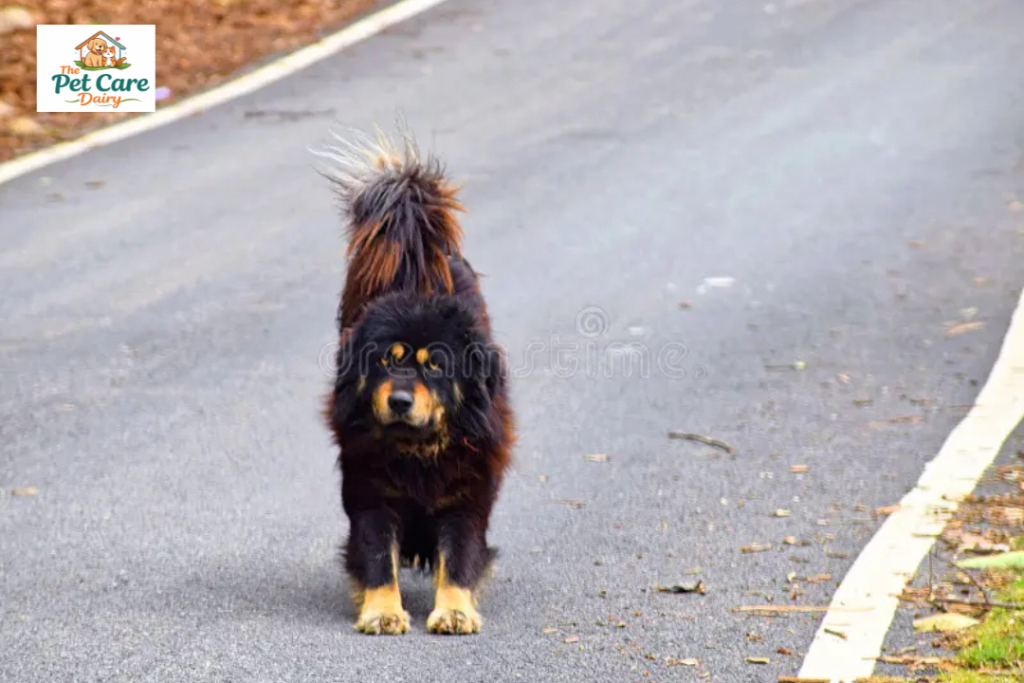
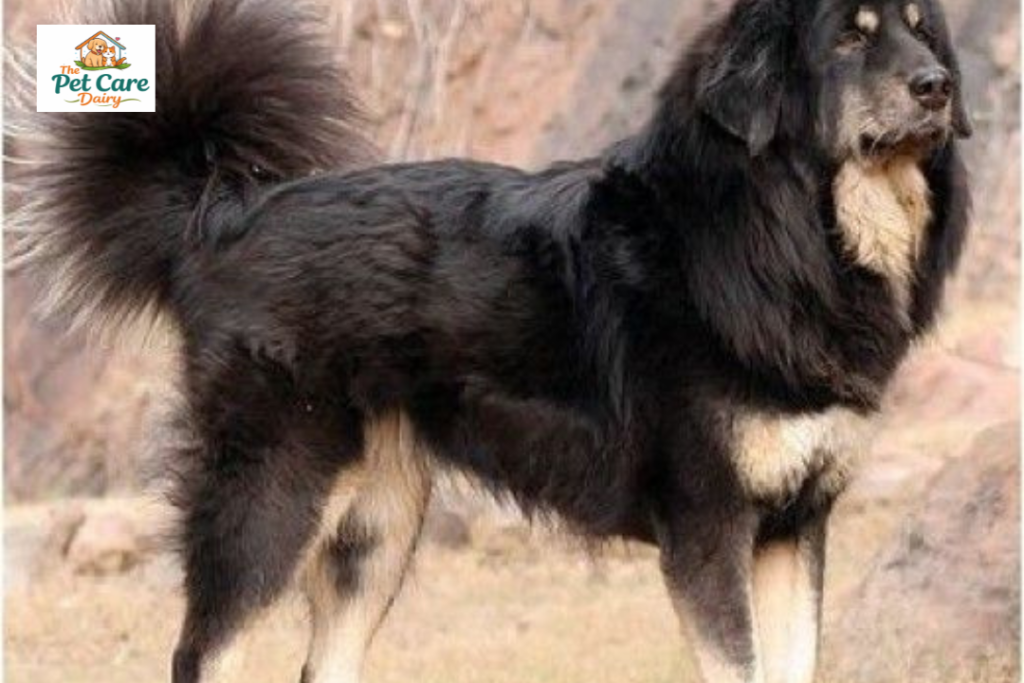
Himalayan Guardian Dogs are a group of powerful livestock-protection breeds that have guarded people, homes, and animals throughout the Himalayan region for centuries. Found in areas of India, Nepal, Bhutan, and Tibet, these dogs were developed to defend sheep, goats, yaks, and villages from predators such as wolves, snow leopards, bears, and wild dogs. Known for their courage, loyalty, intelligence, and resilience, Himalayan guardian breeds are among the toughest working dogs in the world. Even in 2026, these noteworthy dogs continue to play an important role in mountain communities while gaining recognition among dog enthusiasts interested in native and rare breeds.
Unlike herding dogs that move livestock from one place to another, guardian dogs are bred specifically to watch over and defend animals from threats. They possess strong protective instincts, excellent awareness of their environments, and an independent nature that allows them to make decisions without constant human guidance. This independence was essential in remote mountain regions where shepherds frequently relied on their dogs to protect livestock over vast distances and challenging terrain.
Several famous breeds are associated with the Himalayan region.
The Bakharwal Dog of Jammu and Kashmir is known for its loyalty, endurance, and extraordinary guarding abilities. The Baan Gaddi (Indian Shepherd) from Himachal Pradesh is a powerful livestock guardian respected for its courage and devotion. The Tibetan Mastiff, one of the world’s oldest dog breeds, is perhaps the most famous Himalayan guardian, known for its massive size, thick coat, and afraid nature. Other regional guardian dogs have also evolved to survive extreme weather conditions while protecting livestock and families.
Himalayan guardian dogs are typically large, muscular, and heavily built. Their dense double coats provide protection from snow, rain, strong winds, and freezing temperatures. Coat colors vary depending on the breed and region but frequently include black, tan, brown, grey, cream, and mixed patterns. Their strong bodies, powerful jaws, and keen senses make them highly effective defenders in some of the world’s harshest environments.
Temperament is one of their defining characteristics. These dogs are extremely loyal to their families and form strong relationships with the people and animals they protect. While affectionate and calm with those they trust, they are naturally doubtful of strangers and quick to respond to potential threats. Early socialization is important to help them develop balanced behavior while maintaining their natural defensive instincts.
Because they were bred as working dogs, Himalayan guardian breeds require space, exercise, and mental stimulation. They flourish in rural settings, farms, large properties, or homes with secure outdoor areas. Apartment living is generally not appropriate due to their size, energy levels, and territorial nature. Daily walks, training sessions, and opportunities to explore help keep these intelligent dogs physically and mentally healthier.
Training should focus on positive reinforcement and consistency. Guardian breeds are intelligent but independent thinkers, which can occasionally be mistaken for stubbornness. Experienced owners who establish trust and clear leadership often achieve the best results. Harsh training methods should be avoided, as they may harm the bond between dog and owner.
For more such pet care information, connect with us today: https://thepetcarediary.com