
Bakharwal Dog: Guardian of the Himalayas – The Basil Pet Care
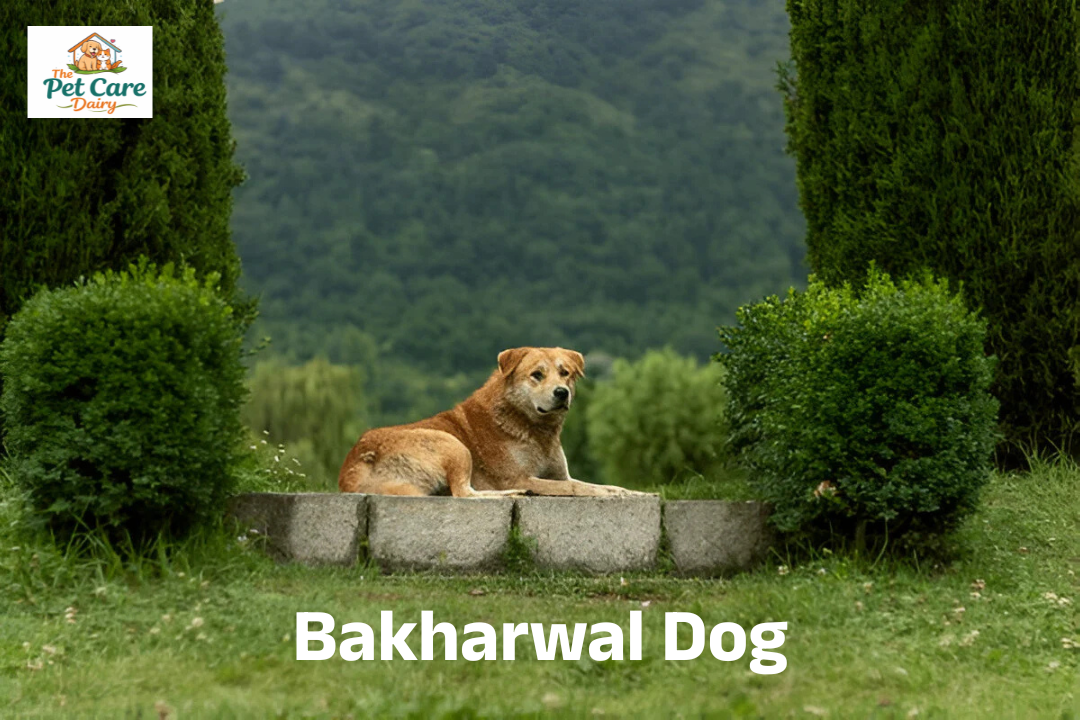
Bakharwal Dog: Guardian of the Himalayas
Nested in the breath-taking landscapes of the Himalayan region, the Bakharwal dog stands as a testament to the rugged beauty of its surroundings. Known for its majestic appearance and unwavering loyalty, this native breed has been a guardian of the high-altitude terrains for centuries. In this blog, we’ll delve into the fascinating world of the Bakharwal dog, exploring its history, characteristics, and the vital role it plays in its native environment.
History and Origin:
The Bakharwal dog, also known as the Bakharwal Mastiff or Bakeharwal Shepherd Dog, hails from the Pir Panjal mountain range in the Indian state of Jammu and Kashmir. This ancient breed has a rich history deeply woven with the nomadic Bakarwal tribes, who have been herding their livestock across the challenging Himalayan terrains for generations.
These dogs were selectively bred to endure the harsh weather conditions, including freezing temperatures and high altitudes. Over time, they evolved into formidable guardians and defenders, earning a reputation for their loyalty and fearlessness.
Physical Characteristics:
The Bakharwal dog is a large and powerful breed, displaying a sturdy and well-muscled frame. Here are some key physical characteristics:
Size: Adult Bakharwal dogs typically stand between 24 to 30 inches at the shoulder, with males being greater than females.
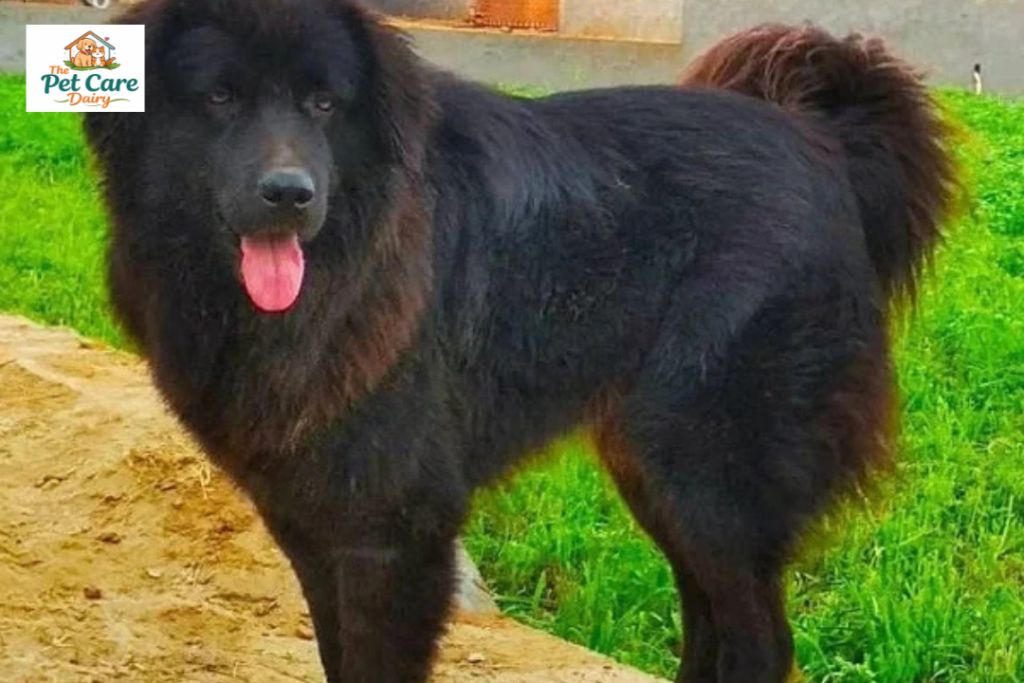
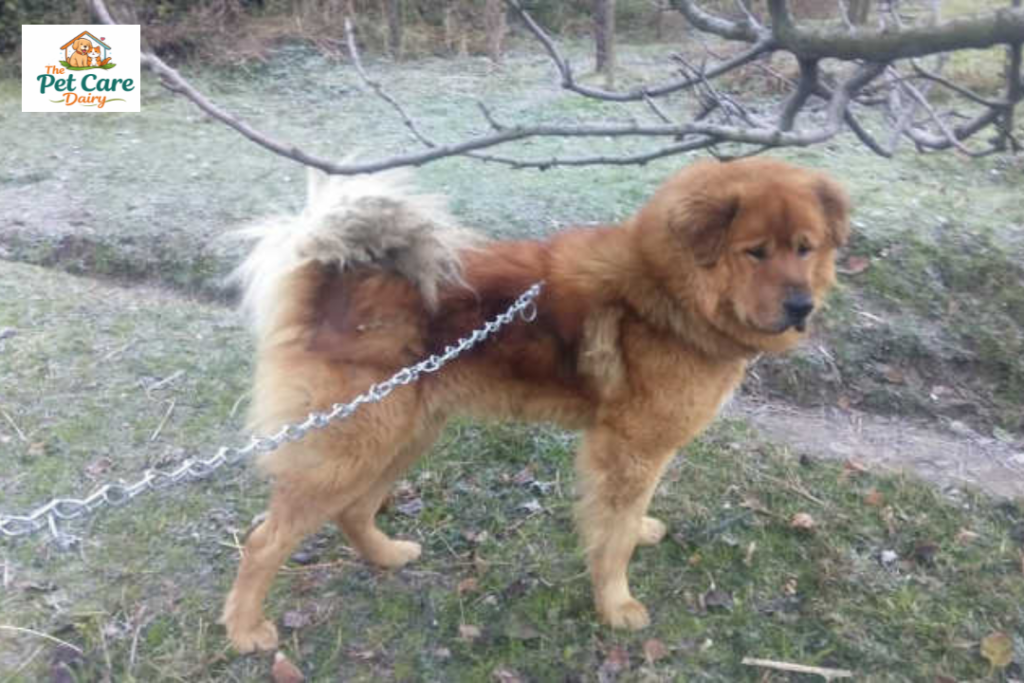
Coat: Their double coat consists of a dense, climate-resistant outer layer and a softer undercoat. The coat can be of various colors, including fawn, brindle, and piebald.
Ears and Tail: The breed frequently features drop ears and a long, bushy tail, contributing to its majestic appearance.
Face: The Bakharwal dog has a broad head, a well-defined stop, and a strong snout, giving it an imposing yet noble expression.
Temperament and Behavior:
Known for their unwavering allegiance and protective instincts, Bakharwal dogs make excellent guardians. Here are some notable temperament traits:
Loyalty: Bakeharwal dogs form strong bonds with their families and are fiercely loyal to them.
Courage: Their courage and fearlessness make them formidable defenders, willing to confront any threat to their loved ones.
Intelligence: These dogs are intelligent and trainable, making them versatile in various roles, from herding to protecting.
Territorial: Bakharwal dogs are inherently territorial, a trait that makes them excellent guardians of livestock and property.
Role in Himalayan Communities:
Traditionally, Bakharwal dogs have played a vital role in the lives of the Bakharwal tribes. Here are some of the roles they fulfill:
Livestock Guard: Their primary role is to protect livestock from predators like wolves and bears.
Property Guardian: Bakharwal dogs guard the homes and belongings of the Bakarwal tribes, offering a feeling of security.
Companionship: Despite their protective nature, Bakharwal dogs form strong bonds with their human companions and are known to be affection.
The Bakharwal dog stands as a living testimony to the resilience and adaptability of canine companions in challenging environments. Beyond their imposing physical presence, these majestic dogs embody the deep bond between humans and their four-legged protectors. As we continue to marvel at the Bakharwal dog’s rich history and noteworthy characteristics, let us also appreciate the invaluable role they play in preserving the ancient traditions of the Himalayan region.
The Bakharwal Dog is a powerful and ancient livestock guardian breed native to the Himalayan regions of India, especially Jammu and Kashmir. Traditional raised by the nomadic Bakharwal and Gujjar tribes, this dog has been an essential part of their pastoral lifestyle for centuries, protecting sheep and goats from dangerous predators such as wolves, bears, and leopards. Known for its large, muscular build and thick double coat, the Bakharwal Dog is well adapted to harsh mountain climates, capable of enduring extreme cold, long migrations, and rugged terrain.
This breed is highly intelligent, alert, and furiously loyal,
with a strong natural instinct to guard its territory and flock. Bakharwal Dogs are known for their courage and independence, frequently making decisions on their own while working in remote areas. Despite their threatening presence, they are deeply affectionate and gentle with their owners and familiar members of the community. However, due to their territorial nature, they can be wary of strangers and require early socialization and consistent training.
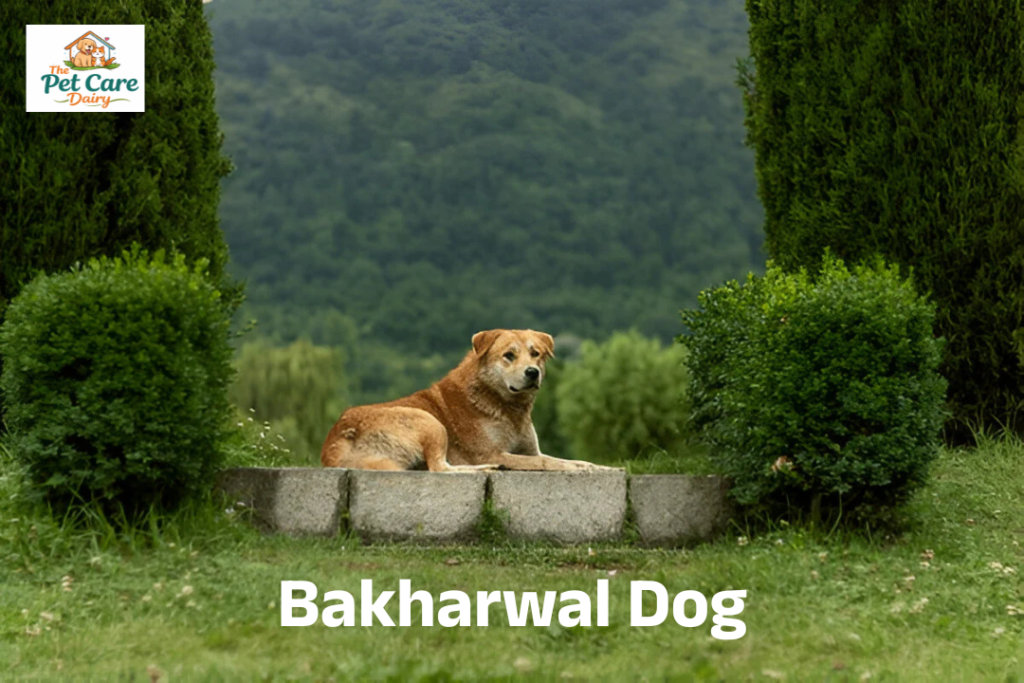
The Bakharwal Dog flourishes in open environments where it has space to roam and perform its guarding duties, making it unsuitable for apartment living. It requires regular physical activity, proper nutrition, and firm handling by an experienced owner. Today, this rare and culturally significant breed is considered a symbol of resilience and heritage in the Himalayan region, valuable not only for its working abilities but also for its unwavering loyalty and protective nature.
Beyond its physical strength, the Bakharwal Dog is praised for its intelligence and strong instinctive behavior. It is not just a guard dog but a highly strategic protector that can assess threats and respond independently without constant human guidance. This independence makes the breed highly effective in remote and rugged terrains, but it also means that training requires patience, continuity, and an experienced handler. Early socialization is essential to ensure the dog can differentiate between real threats and normal human interaction, as it is naturally territorial and can be cautious or even aggressive toward strangers if not properly guided.
Despite its formidable guarding instincts, the Bakharwal dog has a deeply loyal and affectionate side when it comes to its family and flock. It forms strong emotional bonds with its owners and is known to be gentle and protective around children within its trusted circle. Its calm and composed temperament allows it to remain alert without being unnecessarily aggressive, a trait that has been refined over generations of working beside humans. The breed thrives in open spaces where it has a clear purpose, such as guarding property or livestock, and it does not adapt well to restricted urban environments or apartment living.
In terms of care, the Bakharwal Dog requires a high-protein diet to maintain its strength and energy levels, along with regular exercise to keep it physical and mentally stimulated. Its thick coat needs periodic grooming, especially during seasonal shedding. Health-wise, the breed is generally sturdy due to its natural evolution, but like many large breeds, it can be prone to joint-related issues if not properly managed.
Today, the Bakharwal Dog is considered a culturally significant and threatened breed, as modernization and changes in traditional lifestyles have reduced its population. Efforts are being made by local communities and animal conservation groups to preserve and promote this noteworthy Himalayan guardian. More than just a working dog, the Bakharwal Dog represents a living heritage of the mountains—symbolizing courage, loyalty, and the enduring bond between humans and animals in one of the most challenging landscapes in the world.
The Bakharwal Dog is one of India’s oldest and rarest native dog breeds, originating from the Himalayan regions of Jammu & Kashmir. Traditionally bred by the nomadic Bakharwal and Gujjar tribes, these mighty dogs have served as livestock guardians for centuries, protecting sheep, goats, and families from predators such as wolves, leopards, and bears. Known for their loyalty, intelligence, courage, and protective instincts, Bakharwal Dogs are highly respected working dogs and an important part of India’s cultural heritage.
The Bakharwal Dog is a large, muscular breed with a strong build designed to withstand harsh mountain climates. Adult males typically weigh between 35 and 45 kilograms, whereas females are slightly smaller. They possess a thick double coat that protects them from extremely cold, snow, and rough terrain. Coat colors commonly include black, black and tan, brown, white, and mixed patterns. Their wide chest, strong legs, and alert expression reflect their history as dependable guardians capable of working in challenging environments.
Temperament is one of the breed’s most admired qualities.
Bakharwal Dogs are exceptionally faithful to their families and form strong bonds with their owners. They are naturally protective and frequently reserved around strangers, making them excellent guard dogs. Despite their protective nature, they are generally calm, gentle, and affectionate with family members when appropriately socialized. Early socialization is important to help them distinguish between normal situations and genuine threats.
Due to their working background, Bakharwal dogs require regular physical activity and mental stimulation. They thrive in expansive environments where they can move freely and perform activities that engage their natural guarding instincts. While they can adapt to family life, they are generally not ideal for small apartments due to their size and exercise needs. Long walks, outdoor play, training sessions, and interactive activities help sustain their physical and mental well-being.
Training should begin at an early age and focus on positive reinforcement techniques. Bakharwal Dogs are intelligent and capable learners but can be independent thinkers. Consistent leadership, patience, and reward-based methods work best. Harsh training techniques should be avoided, as they may damage trust and reduce training effectiveness.
Their thick coat requires regular grooming, particularly during seasonal shedding periods. Weekly brushing helps remove loose fur and maintain coat health. Owners should also pay attention to nail trimming, ear cleaning, and dental care as part of a complete grooming routine.
Health-wise, the Bakharwal Dog is generally considered a hardy and resilient breed due to its natural evolution over centuries. However, like many large breeds, they may be prone to joint issues, hip dysplasia, and age-related mobility worries. Regular veterinary checkups, balanced nutrition, and appropriate exercise can help maintain long-term health.
For more such pet care information, connect with us today: https://thepetcarediary.com