Rajapalayam: The Royal Indian Dog Breed – History, Traits, Care & Temperament
Introduction
India hosts several ancient and stately dog breeds, however not many have the gratitude or respect as the Rajapalayam. Best known for its majestic look, loyalty and hunting abilities, this is also referred to as The Royal Indian Dog. This rare sighthound can be traced as far back as Tamil Nadu, where it has a long and pride history associated with royalty, combat and classical Indian culture.
about our indigenous Indian breeds – their unique traits and requirements. In this article, I will help pet parents learn about the history of the Rajapalayam, its physical characteristic traits, temperament, care requirements, health risks associated with ownership as well as whether the breed makes an ideal fit in today’s modern household.
Origins and Historical Significance
The Rajapalayam dog derives its name from the city of Rajapalayam in Tamil Nadu, India. These dogs were traditionally raised by royalty and nobility, serving as hunting partners and protectors.
Some records show that Rajapalayams were used in Indian military in many battles. They also fed them with milk especially with castor oil when they need a little extra fat. Their fearfulness, quickness and loyalty made them prized animals, and the possession of one was a status symbol at some stage.
Physical Characteristics
There is no mistakening the Rajapalayam with its characterized but elegant appearance and robust construction.
- Size and Build
Height: 25–30 inches
Weight: 25–30 kg
Body: Lean, muscular, and athletic
and color
Short, dense coat
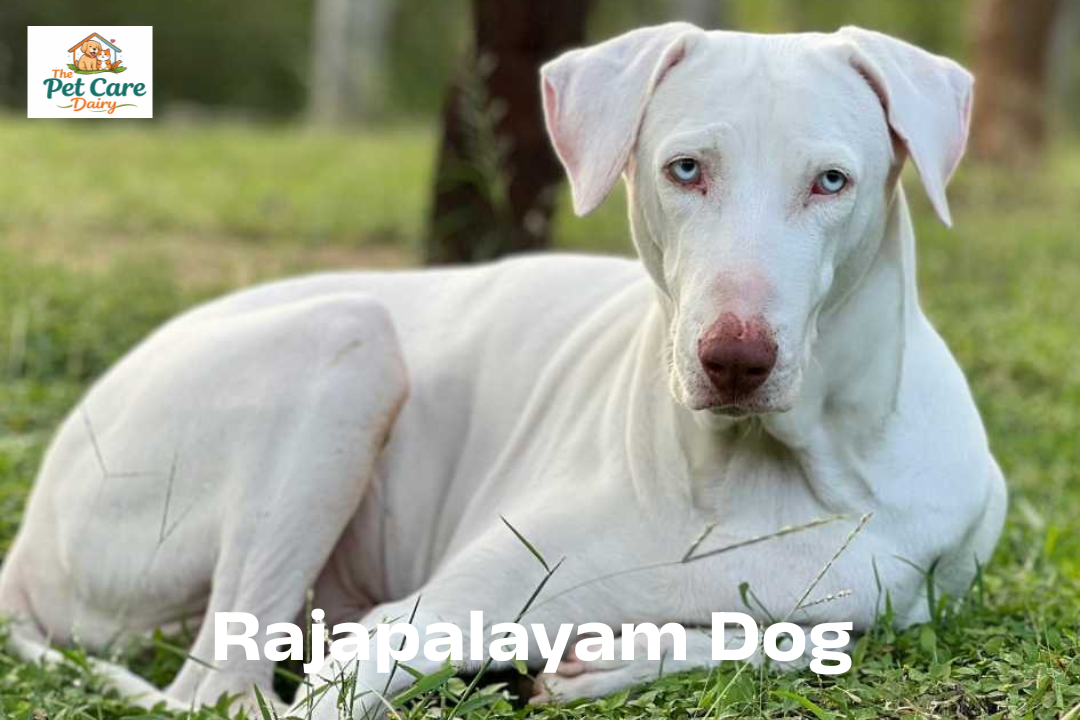
Predominantly milky white
Some may have pink in the skin which is visible through the coat.
- Distinctive Features
Long legs built for speed
Narrow waist and deep chest
Eyes are of the almond shape, and may be either amber or brown.
naturally drooping ears
Strong jaw and alert expression.
The appearance of the breed testifies to its sighthound ancestry—SU’s are a little like Greyhounds, but sort of not.
Temperament and Personality
isn’t for everyone.
Key Temperament Traits:
Extremely loyal to its family
Reserved and doubtful around strangers
Highly territorial and protective
Intelligent but independent
Courageous and fearless
It attaches well w/one person, but may become aloof and protective with strange people.

Is the Rajapalayam Good with Families?
The Rajapalayam can do well in the right home—but it may not be the best fit for novice dog owners.
Best-Suited Homes
Experienced dog handlers
Homes with security
The Rajapalayam Dog is a majestic and mighty native dog breed originating from the town of Rajapalayam in Tamil Nadu, India. Historically bred by royal families and used by the Nayak dynasty, this breed was highly valued as a hunting and guard dog, especially for tracking and hunting wild boar. Known for its striking appearance, the Rajapalayam Dog typically has a pure white coat, a pink nose, and a strong, muscular build that reflected both speed and strength. Its deep chest, long legs, and sharp eyesight make it an excellent sighthound capable of chasing down prey with noteworthy agility.
The Rajapalayam Dog is renowned for its unwavering loyalty and strong protective instincts. It forms a deep bond with its owner and family, frequently becoming highly devoted and territorial. Whereas it is affectionate and gentle with those it trusts, it tends to be aloof and cautious around strangers, making it an excellent guard dog for homes and properties. This breed is inherently intelligent but also independent, which means it requires firm, consistent training and early socialization to ensure balanced behavior. Without proper guidance, it may become overly protective or stubborn.
In terms of lifestyle,
the Rajapalayam Dog flourishes in spacious environments where it can move freely and exercise regularly. It is not well-suited for apartment living, as it needs plenty of physical activity to remain healthy and mentally stimulated. The breed has a short coat that requires minimal grooming, making maintenance relatively easy. However, due to its light skin and coat, it can be vulnerable to extreme heat and sunlight, so proper care and shelter are important in warmer climates.

Health-wise, the Rajapalayam Dog is generally robust, but it may be prone to certain conditions such as deafness, which is occasionally associated with its white coat genetics. Providing a balanced diet, regular exercise, and routine veterinary care helps ensure a long and healthy life. Today, the Rajapalayam Dog is considered a symbol of pride in Indian canine heritage, praised for its courage, elegance, and loyalty. Efforts are ongoing to preserve and promote this rare native breed, ensuring that its legacy as a fearless hunter and devoted guardian continues for generations to come.
Physically, the Rajapalayam Dog is a striking and elegant breed, immediately recognizable by its pure white coat, pink nose, golden or amber eyes, and strong, athletic build. It has a deep chest, powerful limbs, and a slightly curved tail, all of which contribute to its speed and endurance as a sighthound. Unlike scent hounds, this breed relies heavily on its keen vision to track and chase prey, making it exceptionally fast and agile. Its short, smooth coat requires minimal grooming, but its light pigmentation can make it vulnerable to harsh sunlight, requiring proper care in hot climates.
Temperament-wise,
the Rajapalayam Dog is known for its intense loyalty and strong guarding instincts. It is deeply devoted to its family and frequently forms a close bond with a single owner. This breed is naturally territorial and highly protective, making it an excellent guard dog for homes, farms, and estates. However, it tends to be reserved and sometimes suspicious around strangers, a trait that requires early socialization and proper training to manage effectively. With consistent guidance, the Rajapalayam can grow into a well-balanced, disciplined, and obedient companion.
The breed flourishes best in open spaces where it has room to run and exercise, as it possesses high energy levels and requires regular physical activity to maintain its health and mental well-being. It is not well-suited for apartment living or confined urban environments. A diet rich in protein and nutrients is necessary to support its muscular structure and active lifestyle. Health-wise, while generally robust, the Rajapalayam Dog can be prone to issues such as deafness, skin sensitivity, and joint problems if not properly looked after.

Today, the Rajapalayam Dog is considered a rare and threatened breed, as its population has declined due to reduced demand and lack of awareness. However, it remains a symbol of pride in Indian heritage and culture. Conservation efforts by breeders and animal lovers are helping to resurrect interest in this noble breed. The Rajapalayam is not just a dog—it is a living piece of history, representing courage, loyalty, and the deep bond between humans and their canine companions in India’s past and present.
The Rajapalayam is one of India’s most iconic native dog breeds, admired for its elegance, strength, loyalty, and rich history. Originating from the town of Rajapalayam in Tamil Nadu, this magnificent sighthound was traditionally used for hunting wild boar, guarding estates, and protecting royal families. Frequently referred to as the “Royal Dog of India,” the Rajapalayam is known for its striking white coat, pink nose, golden eyes, and athletic build. In recent years, there has been growing interest in preserving and promoting this rare native breed, which represents an important part of India’s canine heritage.
The history of the Rajapalayam dates back several centuries.
These dogs were highly valued by the Nayak rulers of South India and were often kept by aristocratic families and rich landowners. Their courage, speed, and protective instincts made them excellent hunting and guard dogs. Historical records suggest that Rajapalayams were even used during military campaigns due to their courage and loyalty. Over time, modernization and the popularity of foreign breeds contributed to a decline in their numbers, but conservation efforts have helped revive interest in this noteworthy Indian breed.
Physically, the Rajapalayam is a large, powerful dog with a graceful and athletic appearance. Adult males typically stand between 65 and 75 centimeters tall and weigh around 22 to 32 kilograms, whereas females are slightly smaller. The breed’s most conspicuous feature is its pure white coat, although occasional light cream shades may occur. Their muscular body, deep chest, strong legs, and curved tail contribute to their impressive agility and endurance.
The temperament of the Rajapalayam is one of its most notable characteristics.
These dogs are intensely loyal to their families and frequently form strong bonds with a single owner. They are naturally protective and make excellent guard dogs due to their alertness and territorial instincts. Unlike some highly social breeds, Rajapalayams can be restricted around strangers and may require proper socialization from an early age. When raised in a loving environment, they are affectionate, committed, and gentle with family members.
Early socialization and training are extremely important for this breed. Because Rajapalayams are intelligent and independent thinkers, they respond best to patience and consistent training methods. Positive reinforcement using praise, treatments, and encouragement helps build trust and confidence. Exposed puppies to different people, pets, sounds, and environments during their early months helps them develop into balanced and well-adjusted adults.
Nutrition plays a key role in maintaining the health and energy levels of a Rajapalaya. A high-quality diet rich in protein supports muscle growth, while balanced nutrition helps maintain healthy skin, joints, and overall fitness. Fresh water should always be available, particularly in India’s hot climate. Because the breed is inherently active, regular exercise is essential to keep them physically fit and mentally stimulated.
Rajapalayams are generally healthy dogs but may sometimes be prone to certain health concerns. One issue occasionally observed in white-coated dogs is congenital deafness. Responsible breeding practices and regular veterinary checkups help minimize health risks. Routine vaccinations, parasite prevention, and annual health exams are important for maintaining long-term wellness.
For more such pet care information, connect with us today: https://thepetcarediary.com