Shiba Inu: character, price, care… Everything you need to know about this dog from Japan
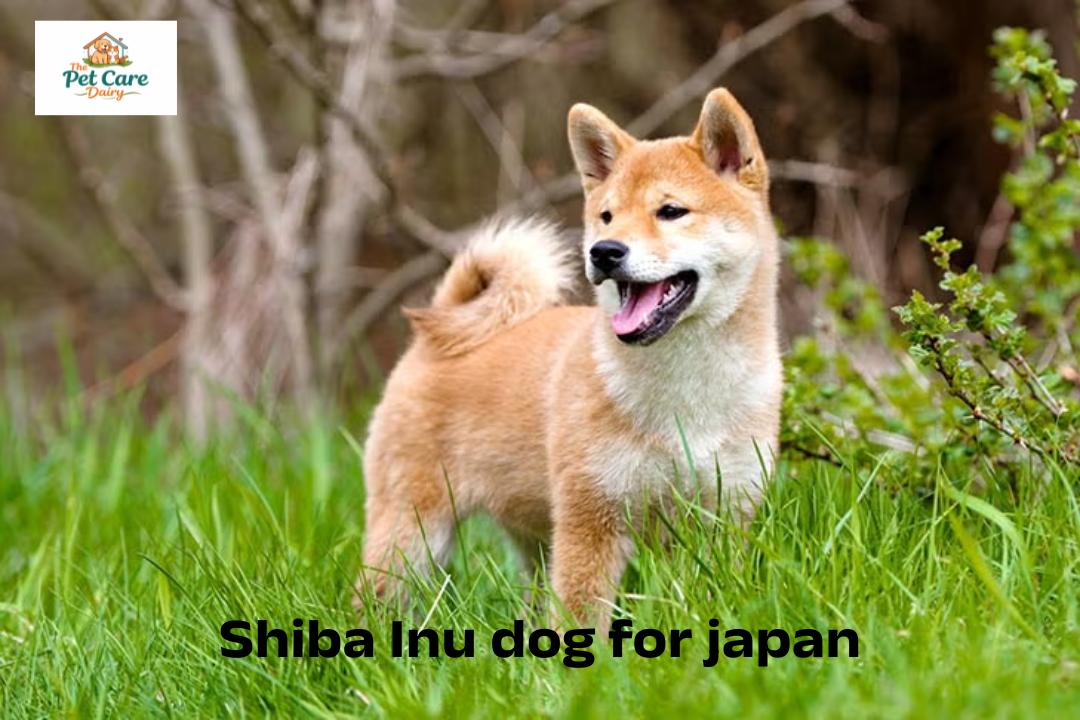
The Shiba Inu is one of the most icon dog breeds from Japan and has won the hearts of dog lovers worldwide. Small, agile, and independent, it has a strong personality that sets it apart from other breeds. This dog, often compared to a fox due to its appearance, is renowned for its intelligence, its sharp mind, and its strong disposition. And if you’re not yet aware of all this, this article is for you!
Shiba Inu
The Shiba Inu is an ancient breed originating from Japan, where it was used for hunting smaller game in the mountains. It is one of the six recognized Japanese breeds, alongside the Akita Inu and the Kishu Inu. Its name “Siba” means “small” in Japanese, although some believe it refers to the red color of its coat, similar to autumn leaves.
During World War II, the breed almost went extinct, but breeding programs helped save it. Today, the Shiba Inu is the most popular dog in Japan and has been imported worldwide.
Physical Characteristics
Size and Weight
The Shiba Inu is a small but well-promoted and muscular dog. It is elegant and agile.
Gender Height at the withers Weight
Male 15 – 16 inches 18 – 24 lbs
Female 14 – 15 inches 13 – 20 pounds
coat color
The Shiba Inu has a thick double coat that protects it from the elements. Its official coat colors are:
Red (the most common)
Black and tan
Sesame (a harmonious mix of black and red hair)
(less common and not recognized by all standards)
Specifications of the Shiba Inu
The Shiba Inu is distinguished by its unique appearance: triangular upright ears, a curled tail over the back, and a lively expression. It is also known for its Shiba yell, a high-pitched cry it makes when upset or excited (watch out for your ears!).
Behavior of the Shiba Inu
While the Shiba Inu looks like a real plush toy, its temperament can occasionally be challenging to manage. It’s important to be prepared.
Behavior with Children
The Shiba Inu can live with children, but it is not the most patient of dogs. It appreciates respect interactions but does not tolerate rough gestures well. It is therefore preferential to supervise interactions with young children.
Behavior with Other Animals
Due to its strong hunting instinct, the Shiba Inu may not get together with small animals like rodents or cats. Early socialization is essential to improve its tolerance.
Health of the Shiba Inu
Life Expectancy
The Shiba Inu is a sturdy dog that lives on average between 12 and 16 years.
Common Diseases
Although generally healthy, it can be susceptible to certain conditions:

Disease Description Frequency
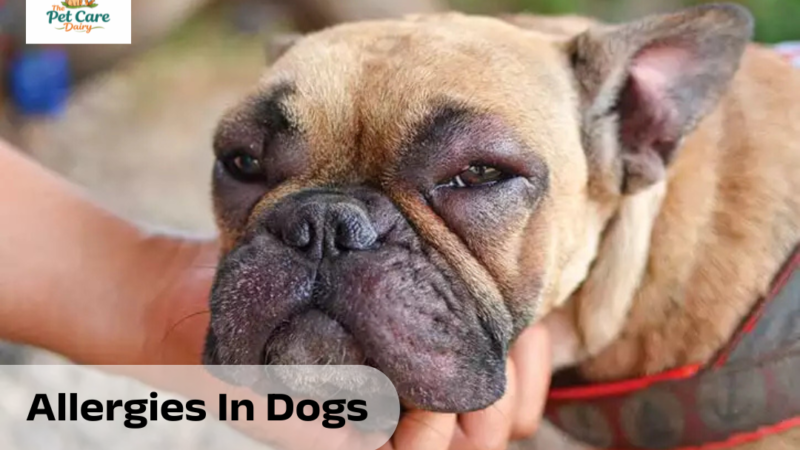
Skin allergy reactions to food or environmental allergens. high
Hip dysplasia is a joint malformation that can cause arthritis. Medium
Patellar luxation Abnormal displacement of the kneecap. Medium
Glaucoma Increased intraocular pressure that can lead to blindness. low
Training the Shiba Inu
Attention, training the Shiba Inu is to be taken very serious! This is, of course, true for all dogs, but this breed demands special attention due to its strong personality.
Positive Training Methods
The Shiba Inu is an intelligent but very independent dog, which may complicate its training. It is vital to use positive reinforcement methods based on rewards (treats, praise) rather than coercion, which could backfire. Patience and consistency are essential.
Importance of Early Socialization
Early socialization is essential to prevent it from becoming frightened or aggressive with strangers and other animals. It should be exposed to various environments, sounds, people, and situations from a young age to thrive completely.
House Training
The Shiba Inu is a naturally clean dog, which makes house training easier. However, it is recommended to establish a strict routine from the start to learn where to relieve yourself.
Teaching Basic Commands
Commands like sit, lie down, heel, and remain should be taught from a young age. Repetition and reward are the keys to its learning, although it may occasionally test its owner’s limits.
The Shiba Inu is a small to medium-sized dog breed originating from Japan, known for its fox-like appearance, curly tail, and confident personality. It is one of the oldest and most popular native Japanese breeds, originally bred for hunting small game in mountainous areas. Shiba Inus are highly intelligent, alert, and independent, frequently displaying a strong sense of self and curiosity.
This breed is known for its clean habits and cat-like behavior, as it frequently grooms itself and prefers to stay neat. Shiba Inus are faithful to their owners but can be reserved or cautious around strangers, making early socialization and consistent training important. They have a thick double coat that shedding seasonally, requiring regular brushing to maintain cleanliness.
Shiba Inus are energized and need daily exercise,
but they can adapt well to apartment living if their activity needs are met. Due to their independent nature, they may be a little stubborn, so patient and positive training methods work best. With proper care, attention, and training, the Shiba Inu becomes a faithful, playful, and charming companion, admired for its unique personality and striking appearance.

The Shiba Inu is a highly adapted and spirited breed that has gained worldwide popularity for its unique personality and striking looks. In addition to its fox-like face and curled tail, the Shiba Inu is known for its bold, confident nature and strong independence, which occasionally makes it challenging for first-time dog owners. It is highly intelligent but prefers to think on its own, so training requires patience, consistency, and positive reinforcement techniques.
This breed is also famous for the “Shiba scream,” a high-pitched sound it may make when excited or unhappy, which is a distinguishing trait among owners. Shiba Inus are generally clean, low-odor dogs and require moderate grooming, albeit they shed heavily during seasonal coat changes. They are naturally alert and make good watchdogs, always aware of their environments.
In terms of lifestyle, Shiba Inus need regular physical activity such as daily walks and playtime to remain healthy and prevent boredom. They are best suitable for owners who can provide time, attention, and structured training. With proper care, socialization, and understanding, the Shiba Inu becomes a loyal, energetic, and amusing companion, known for its strong personality and charming behavior.
The Shiba Inu is one of Japan’s most beloved and recognizable dog breeds.
Known for its fox-like appearance, curly tail, alert expression, and confident personality, the Shiba Inu has gained popularity worldwide. Originally bred in Japan for hunting small game in mountainous areas, this ancient breed is admired for its intelligence, independence, cleanliness, and loyalty. In 2026, the Shiba Inu remains one of the most sought-after companion dogs for families, singles, and apartment residents who appreciate its unique character and striking appearance.
One of the most distinctive features of the Shiba Inu is its personality. Shibas are intelligent, confident, and highly independent. Unlike some breeds that continuously seek attention, Shiba Inus often prefer to make their own decisions and can sometimes appear cat-like in their behavior. They are faithful to their families and form strong bonds with their owners, but they may be reserved around strangers. Early socialization is important to help them become well-adjusted and comfortable in different circumstances. Their alert nature also makes them excellent watchdogs.
The Shiba Inu is a medium-sized breed with a compact and athletic body. Adult males typically stand between 35 and 43 cm (14–17 inches) tall and weigh around 8–11 kg (18–24 pounds). Females are slightly smaller, generally weighing 6–9 kg (13–20 lbs). Their dense double coat comes in several colors, including red, black and tan, sesame, and cream. The breed’s signature curled tail and upright ears contribute to its fox-like appearance.
When it comes to care, Shiba Inus are comparatively low-maintenance dogs.
Their clean nature frequently leads people to compare them to cats. They groom themselves frequently and generally have little dog odor. However, they do shed heavily during seasonal coat changes, known as “blowing coat,” which occurs once or twice a year. Regular brushing helps control shedding and maintaining coat health. Bathing is only needed occasionally unless the dog becomes particularly dirty.
Exercise is essential for keeping a Shiba Inu physically and mentally healthy. Although they are not as demanding as some working rocks, they still require daily walks, playtime, and mental stimulation. Shibas enjoys exploring, running, and interactive games. Because they possess a strong prey drive, secure fencing and leash control are important during outdoor activities.
Training a Shiba Inu can be both rewarding and challenging. They are highly intelligent and learn quickly, but their independent nature means they may not always be willing to obey commands. Positive reinforcement methods using treats, praise, and consistency work best. Harsh training methods are generally ineffective and can damage confidence. Early obedience training and socialization help established good behavior and confidence.
Nutrition plays an important role in maintaining a healthy Shiba Inu. A balanced, high-quality diet supports coat condition, muscle growth, energy levels, and overall wellness. Owners should monitor portion sizes because overweight Shibas can develop joint tension and other health concerns. Fresh water should always be available.
In terms of health, the Shiba Inu is generally a sturdy breed with a lifespan of 12–16 years. However, like all breeds, they can be prone to certain conditions such as allergies, hip dysplasia, patellar luxation, cataract, and eye disorders. Routine veterinary checkups, vaccinations, parasite prevention, and proper nutrition help maintain long-term health.
For more such pet care information, connect with us today: https://thepetcarediary.com