New Puppy Care Guide
How to take proper care of a new puppy when it arrives at home?
When a new puppy comes home, it brings happiness. Responsibility also increases. The first months of a puppy’s life are very important, because the care it receives during this time will make all the difference to its Affects life.
It is very important to provide proper food to the new puppy. Puppy’s digestive system is delicate, so adult dog food should not be given to it. Specially prepared food should be given to the puppy which contains protein, calcium and vitamins in proper quantity. In the beginning, it is better to give small amounts of food three to four times a day. Spicy home food, chocolate or biscuits are harmful for puppies.
Clean, fresh water should always be available to the puppy. The puppy needs more water after playing or in heat. Drinking dirty water can cause stomach problems to the puppy, hence change the water daily.
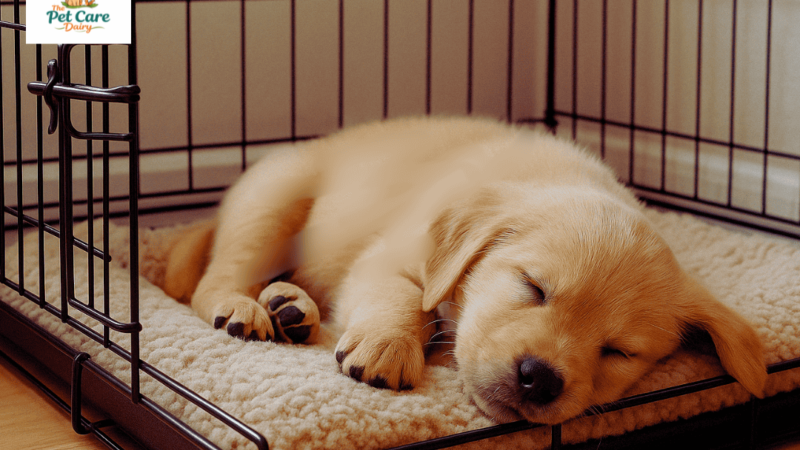
It is also very important for the puppy to get enough sleep. Young puppies sleep more during the day because their body and brain growth occurs during this time. He should be given a peaceful and comfortable place, where he can rest without interruption.
Cleanliness is important for the health of the puppy.
It is not appropriate to bathe a very smal puppy frequently. Use mild puppy shampoo only when required. Combing the hair with a brush every day removes dirt and makes the puppy more comfortable with the owner.
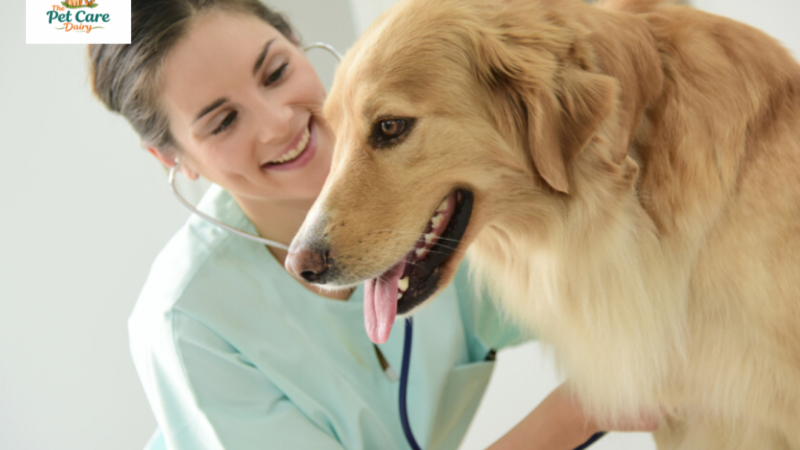
Vaccination is mandatory for the puppy. Vaccinations should be given on time to prevent serious diseases like rabies, parvovirus and distemper. The puppy remains healthy by getting vaccination and deworming done as per the schedule given by the veterinarian.
Basic training should be given to the puppy gradually. Initially it is enough to teach him simple things like recognizing his name, coming to the owner and sitting. Do not hit or scare the puppy. Puppies learn quickly when taught through love and reward.
Playing is very important for the puppy.
By playing his energy is utilized properly and he remains mentally happy. Providing safe toys helps the puppy to reduce his chewing on household items.
The puppy should be introduced to the family and surroundings. This is why puppies do not become timid or aggressive after growing up. It is good to introduce him to outside sounds and people gradually.
It is important to create a safe environment for the puppy at home. Electrical wires, small items and medicines should be kept away from the puppy, because the puppy has a habit of putting everything in its mouth. Is.
Ultimately, what a puppy needs most is love and patience. Making mistakes in the beginning is normal. If you take care with understanding and love without getting angry, then the little puppy will be healthy, intelligent and Becomes a loyal dog.
After a new puppy comes home, the environment for him changes. A new home, new people, and new noises can make the puppy a little nervous. Therefore, give time to the puppy in the initial days, gradually introduce it to the house and make it feel safe. It is very important to give.
After bringing the puppy home, a fixed routine should be made.
Keeping feeding, playtime, rest, and bedtime around the same times every day will keep your puppy calmer and more intelligent. Is made. Due to lack of routine the puppy becomes confused and changes in behavior are seen.
In the beginning, it is good to give the puppy a separate sleeping place. A place with a soft bed, clean clothes and some peace should be chosen. It is necessary to protect from excessive cold and heat. When the puppy knows his safe place, he feels more relaxed.
Before taking the puppy outside, it should be ensured whether the vaccination is complete or not. If the vaccination is incomplete, there is a risk of the puppy getting infected by bringing it in contact with outside animals. It is safer to take the puppy out as per the veterinarian’s advice.
The process of teething is going on in the puppy, that is why he likes to chew things more. Providing safe chew toys is a good way to protect the slippers of home furniture. When someone chews the wrong thing, stop him with love and do not get angry.
The puppy will make a little mess at first, which is normal. It is important to have patience for toilet training. By praising and rewarding the puppy when he toiletes in the right place, he learns quickly.
Some time should be spent every day in conversation and play with the puppy. The puppy understands the owner’s voice and feelings. Calling affectionately and gently caressing the puppy increases its trust and strengthens the bond.
Bringing a new puppy home requires proper preparation, including setting up a comfortable sleeping area, safe environment, and necessary supplies like food bowls, toys, and bedding. A balanced diet with high-quality puppy food is crucial for development, along with a consistent feeding schedule. Early training is important—start with basic commands, potty training, and socialization to build good habits. Regular vet checkups, vaccinations, and deworming ensure your puppy remains protected from common diseases. Daily playtime and gentle exercise help develop physical strength and mental stimulation, while grooming and hygiene maintain overall cleanliness. Most importantly, giving your pup love, patience, and attention helps build a strong bond and ensures it grows into a well-behaved and healthy companion.
Bringing a new puppy into your life is a joyful experience, filled with boundless joy and moments that will warm your heart. However, it also comes with a considerable responsibility. To ensure your pup grows into a healthy, happy adult dog, you need to provide proper puppy care. In this comprehensive guide, we’ll cover the essential do’s and don’ts of taking care of a puppy.
For a small puppy,
vet visit is necessary not only for illness but also for general guidance. The vet gives you appropriate advice regarding food, growth and behaviour. By contacting the vet timely, future problems can be avoided.
The puppy should be gradually habituated to being alone. Being suddenly left alone for a long period of time can cause separation anxiety. It is better to start for a few minutes in the beginning and then gradually increase the time.
Why Should You Research Dog Breeds Before Getting a Puppy?
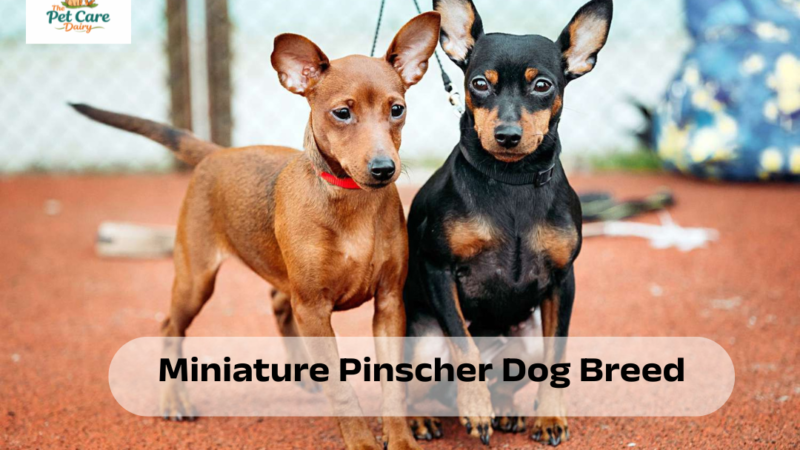
Researching breed characteristics is a vital step in selecting the right puppy. Each breed has unique characteristics, including temperament, exercise requirements, grooming needs, and health conditions.
When researching breeds, consider factors like a breed’s suitability for families with children, its compatibility with other pets, and its tendencies to bark or shed. Additionally, take into account any breed-specific health concerns to ensure you can provide the necessary dog health care.
By thorough researching and understanding breed characteristics, you’ll increase your chances of finding a puppy that fits seamlessly into your life and brings you joy.
Remember, the goal is to find a puppy that complements your lifestyle and preferences. This process is not about finding the “perfect” breed; it’s about finding the perfect match for you and your family.
If you’re contemplating adoption, shelters and rescue organizations are excellent places to find dogs and puppies in need of loving homes. Many amazing mixed-breed dogs and puppies are waiting for their forever families.
What are the Ways to Puppy-Proof Your Home?
When you bring a new puppy into your home, it’s important to make it safe and safe for them. Here are some tips to help you puppy-proof your space:
Put Away Hazardous Items: Dogs and puppies are naturally curious, and they may try to chew or swallow items that can harm them. Ensure chemicals, small objects, and sharp items are out of reach.
Electrical Cords: Puppies love to chew, and electrical cords can be tempting targets. Use cord protectors or hide cords to avoid accidents.
Toxic Plants: Some common indoor plants can be toxic to dogs. Remove them or place them in inaccessible areas.
Trash Bins: Invest in trash cans with secure lids to stop your puppy from rummaging through and potentially ingesting harmful substances.
Gated Areas: Create puppy-safe zones using baby gates to restrict access to certain rooms or areas until they are completely trained.
Finally, every puppy has a different temperament. Some puppies learn quickly, while others take more time. True puppy care is understanding the puppy without comparison and taking care of it according to its nature.
For more such pet care information, connect with us today: https://thepetcaredairy.com