Dachshund Dog Breed Health and Care
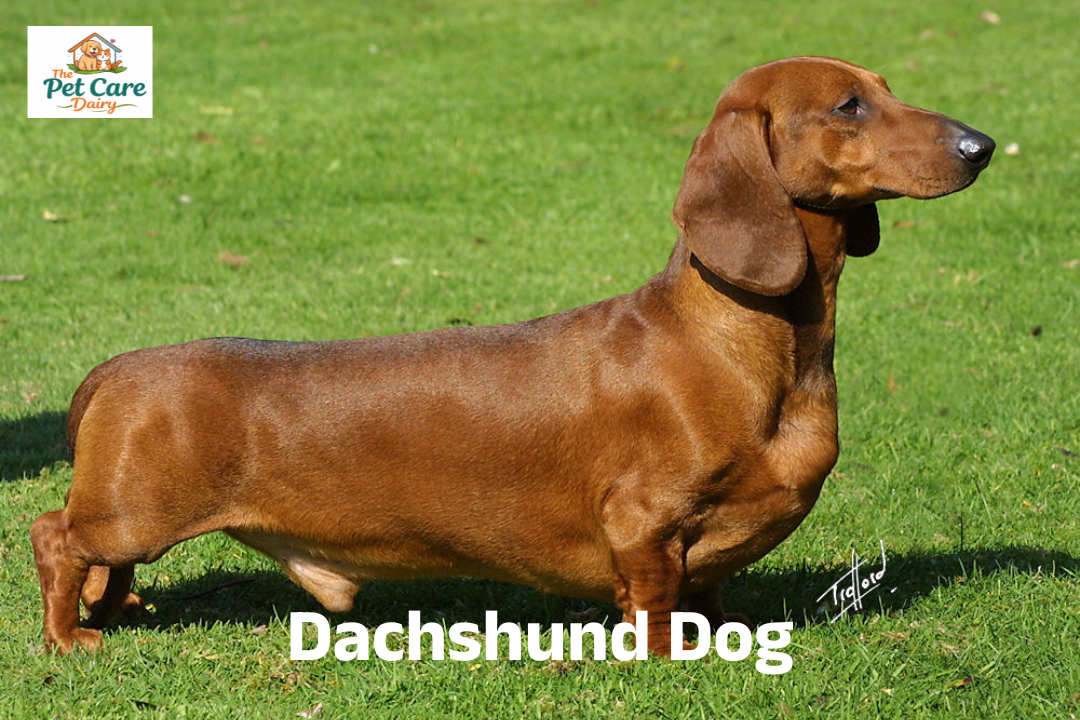
Famously nicknamed the “hot dog” or “wiener dog,” Dachshunds (or Doxies, for short) are known for their long silhouette, short and muscular legs, courageous and energetic personality, and for always being on the lookout.
“Dachshund” comes from the German words for badger (dachs) and dog (hund), as these dogs were originally bred in 18th-century Germany to hunt badgers.
Dachshunds were bred to be independent hunters of dangerous prey. Because of this, Dachshund dogs can be brave to the point of carelessness and a little tenacious, but their charming nature and famous long-and-low body make them one of the most popular dog breeds in the U.S.
Caring for a Dachshund Dog
A Dachshund (pronounced “dakk-snd”) can be willing, headstrong, playful, and mischievous. But the breed is also smart and attentive.
Dachshunds come in a wide variety of colors, patterns, and coat types. There are also two Dachshund shapes:
Standard Dachshunds weigh 16-32 pounds and stand 8-9 inches tall.
Miniature Dachshunds are under 11 pounds and stand just 5–6 inches tall
Although they are small dogs, Dachshunds need regular exercise to remain fit and build strong muscles to support and protect their long back, which is vulnerable to injury.
Dachshunds are not built for extensive jumping, twisting, or anything that puts strain on their back. To help keep your Dachshund’s back healthy and prevent injuries, try to limit their jumping by installing pet steps or ramps near furniture and beds.
Dachshund Health Issues
The typical Dachshund lifespan is 12–16 years, about average for a smaller dog breed. But the breed is, unfortunately, susceptible to numerous health conditions throughout their life.
Intervertebral Disc Disease
Intervertebral disk disease (IVDD) in Dachshunds is caused by a bulging or slipped disk within the vertebral column of the spine. As many as 25% of Dachshunds develop IVDD in their lifetime, and it can lead to lasting paralysis if not treated quickly.
Bring your Dachshund to the veterinarian if you notice a change in the way they move or any of the following symptoms:
back pain
Trouble walking
Limping
Holding head/neck down
dragging paws
Scuffed toenails
- Problems urinating or defecating
- Depending on the severity of the disease, treatment with anti-inflammatory and pain medications may be recommended, as well as muscle relaxants and strict cage rest (no playing, running, or jumping—only short, leashed walks to go to the bathroom are permitted).
Surgery or other treatments for more serious IVDD are often necessary to help dogs regain use of their legs and other functions affected by a slipped disc. Some dogs never recover fully despite treatment.
Pull quote: The number one health issue in a Dachshund is back afflictions due to the dog’s long spine, muscular and bowed legs, and low-to-the-ground stature.
The Dachshund is a unique and popular small dog breed known for its long body, short legs, and cheerful personality. Originally bred in Germany to hunt badgers, this breed is often called the “sausage dog” due to its distinctive shape. Dachshunds come in three coat types—smooth, long-haired, and wire-haired—and a variety of colors, making them visually attractive and diverse.
Despite their small size, Dachshunds are brave, energetic, and intelligent, frequently showing a strong hunting instinct and curiosity. They are very faithful and form strong bonds with their owners, making them excellent companion dogs for families and individuals. However, they can occasionally be stubborn, so consistent training and patience are important. Early socialization helps them become friendly with strangers and other pets.
Obesity
Dachshunds are susceptible to obesity because of their small size and need to restrict some forms of exercise.
Dachshunds are also prone to disorders that influence their mobility, such as IVDD and orthopedic conditions. These conditions make it harder for your dog to move, which can lead to weight gain.
It is important to have your veterinarian examine and weigh your Dachshund at least once a year to ensure they remain healthy.
You can schedule an appointment with your veterinarian to find out how many calories your dog needs each day and to create a weight loss plan for your Dachshund, if necessary.
Luxating Patella
A luxating patella is common in small dogs, including Dachshunds. This is caused by the kneecap slipping out of its normal position, and the condition frequently occurs simultaneously in both hind legs.
You may notice your Dachshund limping on their hind legs, or you may see a “skip” or “bunny hop” to their gait when they walk. Depending upon the severity, some dogs do not require any treatment, but others may need anti-inflammatory and pain medications or even surgery.
Given your dog joint protection supplements and keeping them at a healthy weight may help prevent secondary issues.
Deafness
Dapple Dachshund puppies (dogs that have a coat mottled or spotted with patches of white and color) may be born deaf, especially if both of their parents had dimpled coats as well. While there is no treatment for this, deaf dogs can live long, healthy lives.
Dental Disease
Small dogs such as Dachshunds are more prone to periodontitis disease, in which plaque and tartar build up on a dog’s teeth, leading to gum inflammation, bacterial infections, and tooth loss.
The best way to prevent this is to brush your dog’s teeth daily. Your veterinarian can recommend the best dog toothpastes and toothbrushes, along with other oral health products like dental chews and water supplements.
Pet parents must also have their Dachshund’s teeth cleaned professionally on a schedule recommended by their veterinarian.
Epilepsy
Idiopathic epilepsy is the presence of seizures without a known cause. The seizures typically begin when a dog is young, between 1 and 5 years old, and this condition is thought to be genetic.
There are two main types of seizures in Dachshunds: generalized and focal.
Generalized seizures affect the entire body. Your dog is not aware of their surroundings, frequently experiences convulsions, and may urinate or defecate during the seizure.
Focal seizures are more subtle; they can cause chewing movements or twitching of the face or a limb, for instance.
If you notice any seizure activity or suspect your Dachshund has had a seizures, have them examined by a veterinarian as soon as possible.
The vet will perform a complete physical and neurologic examination, run blood work, do urine testing, and possibly recommend an
Anti-convulsant medications can control these types of seizures in dogs.

Eye Problems
Eye problems such as cataracts, glaucoma, and progressive retina atrophy (PRA) are all common in Dachshunds and can cause blindness in your dog.
The Dachshund, often affectionately called the “Sausage Dog” or “Wiener Dog,” is one of the most recognizable dog breeds in the world. Originally developed in Germany to hunt badgers and other burrowing animals, Dachshunds are known for their long bodies, short legs, adventurous personalities, and loyal nature. Despite their small size, they are confident, intelligent, and full of energy. Proper health care and daily management are essential because their unique body structure makes them susceptible to certain health conditions. With the right care, Dachshunds can live long, happy, and active lives, often reaching 12 to 16 years of age.
One of the most important aspects of Dachshund health is protecting their spine. Due to their long backs and short legs, Dachshunds are especially susceptible to Intervertebral Disc Disease (IVDD), a condition that affects the spinal discs and can lead to pain, mobility issues, or even paralysis. To reduce the risk, owners should avoid letting their Dachshund to frequently jump on and off furniture, climb excessive stairs, or become overweight. Using ramps, supportive bedding, and maintaining a healthy weight can significantly reduce strain on the spine.
Nutrition plays a crucial role in overall health.
Dachshunds have comparatively small bodies but can gain weight easily if overfed. Excess weight increases pressure on their back and joints, making obesity one of the most serious preventative health concerns for the breed. A balanced, high-quality diet that meets their age, size, and activity level is essential. Owners should measure portions carefully and limit unnecessary treats while ensuring fresh water is always available.
Regular exercise helps maintain a healthy weight and supports muscle strength. Though Dachshunds are small, they are active dogs that enjoy walks, games, and mental stimulation. Daily exercise helps prevent boredom and harmful behaviors while supporting cardiovascular health. Activities should be moderate and safe, avoiding excess jumping or high-impact exercises that could strain the spine.
Dental health is another important consideration.
Small dog breeds are often prone to dental disease, plaque accumulation, and gum problems. Regular tooth brushing, dental treats, and routine veterinary dental exams can help maintain healthy teeth and prevent oral infections. Good dental care contributes to general health and can help reduce the risk of secondary health issues.
Dachshunds come in three coat varieties: smooth, long-haired, and wire-haired. Grooming needs vary depending on coat type. Smooth-coated Dachshunds require minimal grooming, whereas long-haired and wire-haired varieties benefit from regular brushing to prevent tangles and maintain coat condition. Regular nail trimming, ear cleaning, and skin checks should also be part of their grooming routine.
Like many breeds, Dachshunds can be prone to certain hereditary conditions. In addition to IVDD, they may experience patellar luxation, obesity-related complications, eye disorders, epilepsy, and diabetic. Routine veterinary checkups allow early detection and management of potential health concerns. Vaccinations, parasite prevention, and annual wellness examinations are essential components of preventive care.
Mental stimulation is equally important for this intelligent breed. Dachshunds are curious and independent thinkers who enjoy puzzle toys, aroma games, training exercises, and interactive play. Keeping their minds active helps reduce boredom and supports emotional well-being. Positive reinforcement training methods work especially well because Dachshunds respond best to patience, consistency, and rewards.
For more such pet care information, connect with us today: https://thepetcarediary.com