Raising a puppy in Florida for Top tips
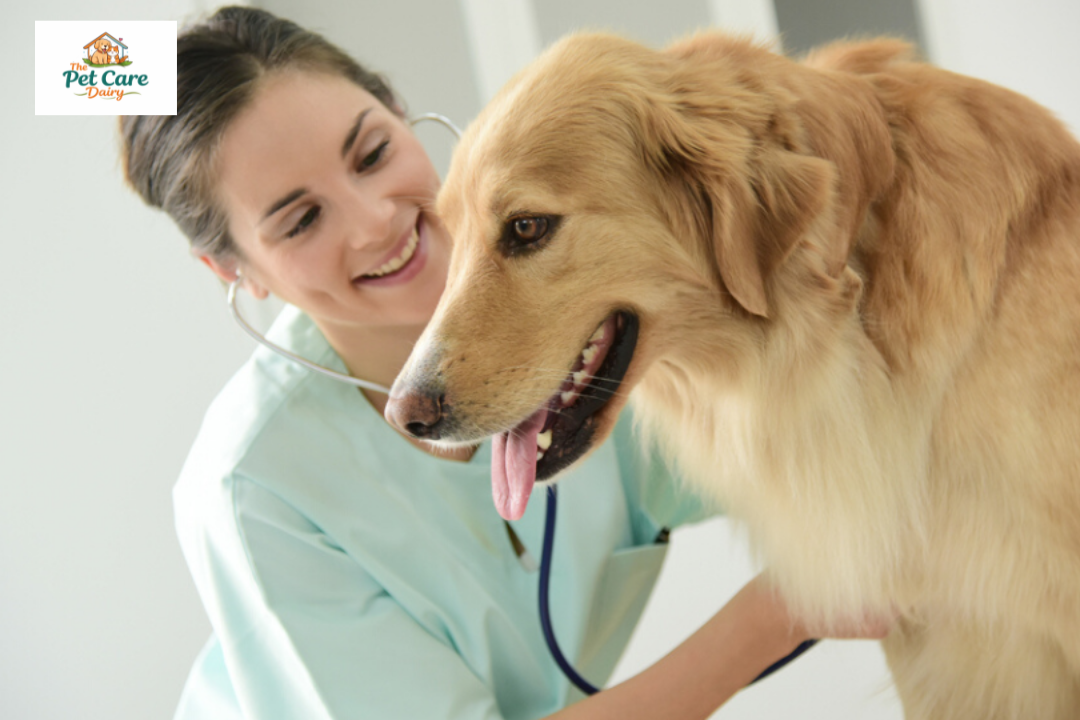
Growing a puppy in Florida comes with sunny days, sandy paws, and surprising challenges. The Sunshine State is full of opportunities for outdoor adventure, but Florida’s heat, humidity, and hurricanes demand a mindful approach to pet care.
Whether you’re figuring out how to raise a pup in Florida or just moved here with a four-legged friend, this guide will walk you through everything you need to know. From pest prevention to playtime in the surf, our advice can help you raise a healthy, happy pup in the state’s unique climate.
Prepare your puppy for Florida life
Climate considerations
Florida’s subtropical climate means your puppy will enjoy plentiful of warm days, but those days come with risks. Summers in the Sunshine State can be dangerously hot, with pavement temperatures reaching over 130 degrees Celsius.
To keep your puppy safe:
Walking your pup early in the morning or later in the evening.
Always bring water on walks.
Try frozen treats for extra cooling.
Invest in heat-resistant gear, including boots, cooling vests, and shade tents.
Seasonal pest prevention
Fleas, ticks, and mosquitoes thrive in Florida’s humidity, exposing your puppy to ailments such as Lyme and heartworm disease. Florida is also home to a variety of hazardous wildlife that can pose a risk to your pup. To protect your puppy:
Start flea and tick prevention early and continue year-round.
Administer monthly heartworm medication prescribed by your veterinarian.
Be alert for fire ants, snakes, and alligators in rural or swampy areas.
Essential puppy health and vet care
Finding a vet in Florida
Choose a local vet who understands regional risks and seasonal threats.
Use the Florida Veterinary Medical Association’s website to find reputable clinics.1
Ask for local recommendations from rescue groups or neighborhoods.
Vaccine and microchipping requirements
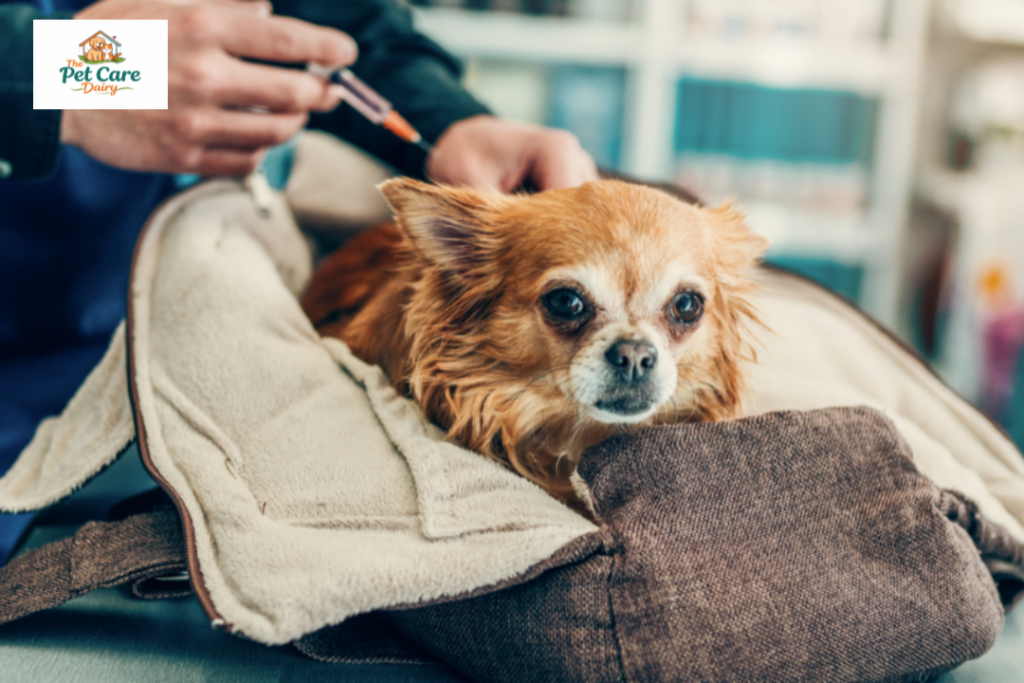
Florida law requires that puppies be vaccinated against rabies by four months of age. Many counties also require evidence of a microchip registration to issue a pet license.
Your vet may also recommend vaccines for distemper, hepatitis, parvovirus, parainfluenza, kennel cough (Bordetella), leptospirosis, and Lyme disease—all common risks in Florida’s climate.
Your vet will help you determine the best vaccination schedule based on your pup’s lifestyle and exposure risks.
Training and socialization in Florida
Puppy obedience classes
Florida offers many puppy training options, from humane society programs to certified private instructors. Start your puppy off right with these tips:
Start group puppy classes at 8 to 10 weeks of age to build a foundation for learning.
Look for trainers certified by prestigious dog training associations such as the Association of Professional Dog Trainers (APDT), American Kennel Club (AKC), Certification Council for Professional Dog Trainers (CCPDT), and International Association of Animal Behavior Consultants (IAABC).
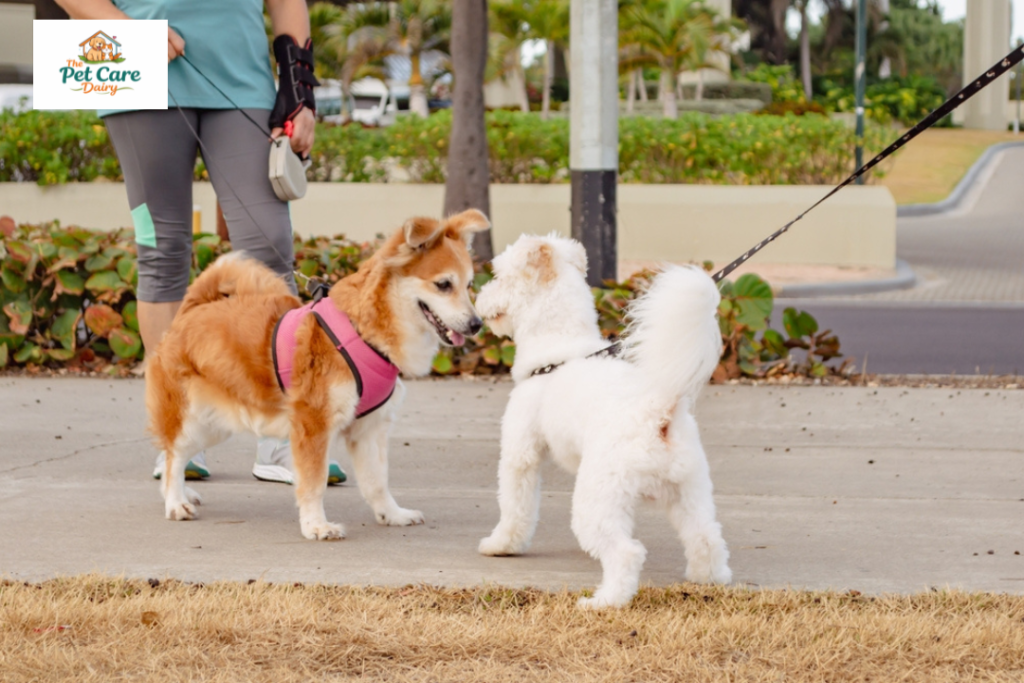
socialization opportunities
With its warm climate and active pet scene, Florida makes socializing your puppy to new environments easy. Try taking your puppy to:
Dog parks: Lake Baldwin Park (Orlando), Haulover Park (Miami), Davis Islands (Tampa)
Outdoor events: Pupchella, Bark in the Park, Yappy Hour
Pets-friendly patios and shops
For additional support, check out the Florida Association of Kennel Clubs, which promotes responsible dog ownership and community-based pet events statewide.
Fun outdoor activities for puppies in Florida
Safe hiking and nature adventures
Florida trails offer beautiful landscape but also contain potential hazards. Use these tips to stay safe:
Stick to shaded trails like Oleta River State Park and Myakka River trails.
Keep your pup leashed and hydrated.
Avoid afternoon adventures, when high temperatures can become dangerous.
Water play and swimming tips
If your puppy loves the water, you’re in luck. Florida is chalk-full of dog-friendly beaches and lakes for your pup to enjoy.
Spots like Brohard Paw Park and Jupiter Beach are perfect for sprayy adventures.
Make sure you bring a flotation vest for safety, and always rinse your pup after swimming in saltwater or chlorinated pools. Keep an eye out for dangers like rip currents, jellyfish, or seasonal red tides, which can be dangerous for pets.
Raising a puppy in Florida comes with unique challenges and opportunities, primarily due to the state’s warm climate, humidity, and outdoor lifestyle. One of the most important tips is to manage heat and hydration, as Florida temperatures can quickly become dangerous for young puppies. Always provide fresh, clean water and ensure your puppy has access to shaded or air-conditioned areas, especially during peak afternoon hours. Walks and outdoor play should be scheduled in the early morning or late evening to avoid hot sidewalk and overheating.
Another key aspect is protection from parasites and insects,
which are more common in warm and humid areas. Regular flea, tick, and heartworm prevention is essential, along with regular veterinary checkups and vaccinations. Socialization and training should begin early, but it’s important to choose safe environments—puppies should not be exposed to public areas until their vaccination schedule is complete.
Florida’s outdoor lifestyle also means your puppy will encounter beaches, parks, and wildlife, so proper leash training and supervision are vital. Be careful around saltwater, as drinking it can cause dehydration, and always rinse your puppy after beach visits to remove sand and salt from their coat.
Indoor care is equally important—providing a comfortable sleeping area, engaging toys, and regular training sessions to build good behavior. Consistency in feeding, potty training, and routines helps your puppy feel secure and adapt quickly. With proper care, attention to climate-related needs, and early training, raising a pup in Florida can be a rewarding experience, helping your pet grow into a healthy, active, and well-adjusted companion.
Growing a puppy in Florida also requires adapting to sudden weather changes and maintaining consistent routines despite the state’s unpredictable rain and humidity. Frequent rain showers means your puppy may spend more time indoors, so it’s important to provide mental stimulation through toys, training games, and short indoor exercise sessions to prevent boredom and destructive behavior. Keeping your puppy’s paws clean and dry after outdoor walks is essential to avoid infections caused by moisture and dirty surfaces.
Because of the humid climate, maintaining proper hygiene and grooming is very important. Regular brushing, occasional baths, and keeping your pup’s living space clean help prevent skin issues and odors. You should also ensure your pup has a cool resting area—cooling mats or tiled floors can provide relief during hot days.
Training consistency is another key factor.
Even with changing climate, stick to a daily schedule for feeding, potty breaks, and playtime. This helps your puppy feel secure and learn faster. Additionally, Florida’s environment includes wildlife and unfamiliar outdoor elements, so teaching commands like “come,” “stay,” and “left it” can improve safety.
Overall, raising a puppy in Florida is about balancing outdoor fun with careful protection from heat, moisture, and environmental risks. With the right mix of care, training, and attention, your puppy can grow into a healthy, confident, and happy companion.
Raising a puppy in Florida can be a wonderful experience, but the state’s unique climate and environment require special attention. With hot temperatures, high humidity, frequent rain, and year-round parasites, Florida puppy owners must take extra steps to ensure their furry companions remain healthy and comfortable. Proper care begins with creating a safe regimen that includes balanced nutrition, regular veterinary visits, socialization, exercise, and protection from the elements. Puppies thrive when they receive consistent guidance, positive reinforcement, and plenty of love during their initial months of development.
One of the most important considerations in Florida is heat management.
Puppies can overheat quickly, especially during the summer months when temperatures and moisture levels are high. Outdoor activities should be scheduled during the early morning or late evening when conditions are cool. Always provide access to fresh drinking water and shaded areas, and never leave a puppy inside a parked vehicle. Hot asphalt can burn sensitive paw pads, so owners should test surfaces before walks and choose grassy areas whenever possible.
Florida’s warm climate also creates ideal conditions for fleas, ticks, mosquitoes, and other parasites. Year-round parasite prevention is essential for protecting puppies from diseases such as heartworm, Lyme disease, and flea invasions. Regular veterinarian checkups, vaccinations, and deworming schedules should be followed closely to ensure optimal health and early disease prevention.
Socialization is another key factor in raising a well-adjusted puppy. Florida offers many opportunities for puppies to experience new environments, people, sounds, and circumstances. Positive exposure to different experiences during the first few months of life helps build self-confidence and reduces fear-based behaviors later. Puppy training classes, controlled playdates, and visits to pet-friendly locations can support healthy social development.
Nutrition plays a major role in growth and development.
Puppies require high-quality food formulated specific for their age and breed size. Appropriate nutrition supports strong bones, healthy muscles, brain development, and immune function. Fresh water should always be available, especially in Florida’s hot climate where dehydration can occur quickly.
Training should begin early and focus on positive reinforcement techniques. Rewarding good behavior with treats, praise, and play helps puppies learn quickly while building confidence. Basic commands such as sit, remain, come, and leash walking provide a strong foundation for future training. Consistency and patience are necessary, as puppies learn best through repetition and positive experiences.
Because Florida experiences frequent thunderstorms and hurricane season, it is also important to prepare puppies for uncommon weather conditions. Graduated exposure to sounds such as thunder can help reduce anxiety. Owners should have emergency plans that include food, water, medications, identification tags, and safe shelter for their pets during severe climate events.
For more such pet care information, connect with us today: https://thepetcarediary.com