The Ultimate Dog Care Checklist: A Complete Guide for Every Pet Parent

Bringing a dog into your life is one of the most rewarding experiences — but it also comes with responsibility. Whether you’re a first-time pet parent or have years of experience, understanding the essentials of dog care ensures your fluffy companion lives a long, happy, and healthy life.
This complete guide covers everything you need to know about dog care, including health, nourishment, grooming, training, exercise, safety, and seasonal tips.
Dog Health Care Essentials
Your dog’s health must always be the top priority.
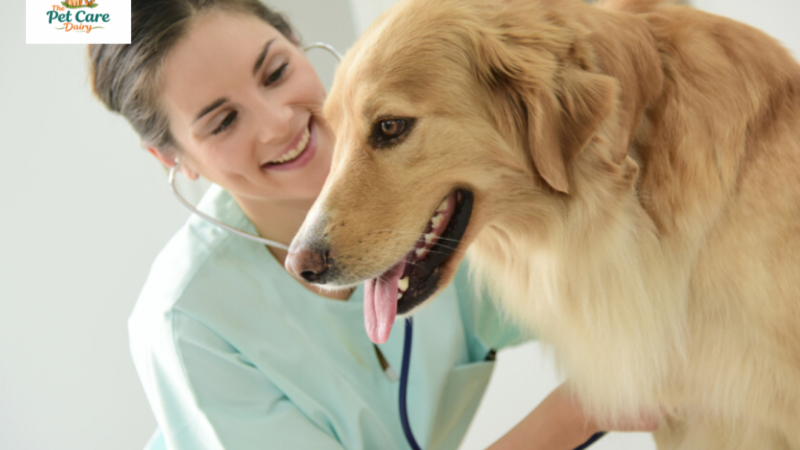
Regular Veterinary Visits
Schedule at least one vet visit per year
Puppies and senior dogs may require more frequently
Keep vaccination records updated
Core Vaccinations
Most dogs need protection against:
Rabies
Distemper
Parvovirus
Adenovirus
Your veterinarian may recommend additional vaccines based on lifestyle.
Parasite Prevention
Protect your dog from:
Fleas
Ticks
Heartworms
Intestinal worms
Use veterinarian-approved preventive medications year-round.
Watch for Warning Signs
Contact your veterinarian immediately if you notice:
Sudden loss of appetite
Vomiting or diarrhea
Lethargy
Persistent coughing
Unusual lumps
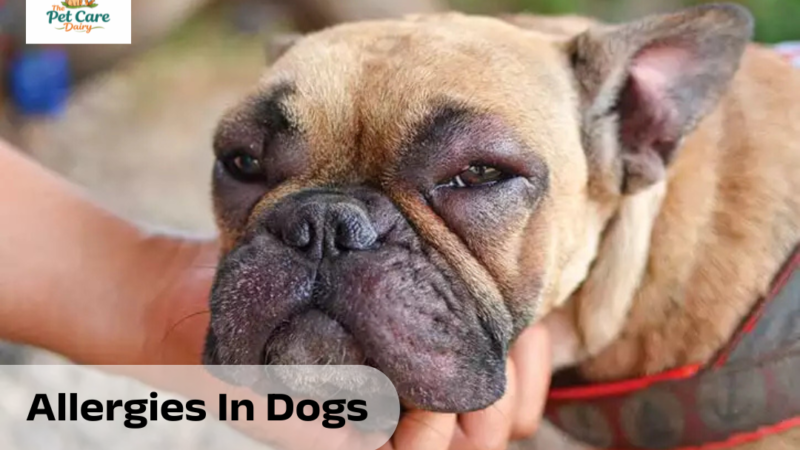
Excessive itching
Early detection can stop serious health issues.
Proper Nutrition and Feeding Guide
Good nutrition builds the foundation of your dog’s general health.
Choose the Right Food
Select food based on:
Age (puppy, adult, senior)
Breed size (small, medium, large)
Activity level
special health needs
Look for high-quality dog food with real protein as the first ingredient.
Feeding Schedule
Puppies: 3–4 meals per day
Adult dogs: 2 meals per day
Seniors: 2 smaller meals per day
Avoid free feeding to prevent overeating.
Portion Control
Follow package guidelines but adjust based on:
Weight
Activity level
body condition
Obesity may lead to diabetes, heart disease, and joint problems.
Treats & Human Food
Treats should be less than 10% of daily calories
Avoid chocolate, grapes, onions, garlic and xylitol.
Always provide fresh, clean water.
Grooming and Hygiene Checklist
Regular grooming keeps your dog clean, convenient, and healthy.
brushing
Short-haired dogs: 1–2 times per week
Long-haired breeds: daily brushing
Removes loose fur and prevents matted
bathing
Every 4–6 weeks (or as needed)
Use dog-specific shampoo
Avoid over bathing to protect natural oils.
Nail Trimming
Trim every 3–4 weeks
If you hear nails clicking on the floor, they’re too long.
Ear Cleaning
Check weekly
Clean gently with vet-approved solution
Watch for redness or foul smell
Dental Care
Brush teeth 3–5 times per week
Use dog toothpaste only
Dental Chews Can Help Reduce Plaque
Training strengthen the bond between you and your dog.
Basic Commands Every Dog Must Know
sit
stay
come
Down
Leave it
Use positive reinforcement like treatments and praise.
House Training Tips
Take your dog out every 2–3 hours (puppies more frequent)
Reward immediately after potty outdoors
Be consistent with routine
socialization
Expose your dog to:
different people
Other dogs
New environments
various sounds
Early socialization reduces fear and later aggression.
Avoid Punishment-based training
Negative reinforcement can cause anxiety and behavioral issues. Focus on patience and rewards.
Exercise & Mental Stimulation
Dogs need both physical and mental activity daily.
Daily Exercise Requirements
Small breeds: 30 minutes
Medium breeds: 45–60 mins
High-energy breeds: 60–120 mins
Activities include:
Walking
Fetch
Running
swimming
tug games
Mental Enrichment
puzzle toys
Snuffle mats
Hide-and-seek games
training sessions
Rotating toys weekly
A bored dog might chew furniture or bark excessively.

Creating a safe home environment
Dog–proof your house just like you would for a toddler.
Remove Hazards
Secure trash bins
Store chemicals safely
Hide electrical cords
Remove toxic plants
Provide Comfort
Comfortable bed
Quiet resting area
Proper ventilation
Fresh water station
Outdoor Safety
secure fencing
ID tags with contact information
Microchipping
Supervised outdoor time
Seasonal Care Tips
Summer Care
Avoid midday heat
Provide shade and cool water
Never leave dog in car
Watch for heatstroke symptoms
winter care
Limit time in extreme cold
Use sweaters for small / short-haired breeds
Wipe paws after walks
Provide warm bedding
Age-Specific Dog Care
Puppy Care
Frequent vet visits
teething toys
Early training and socialization
High-quality puppy diet
Adult Dog Care
Maintenance exercise routine
regular dental care
Annual health screenings
Senior Dog Care
Joint supplements
soft bedding
Gentle exercise
More frequent vet checkups
Final Thoughts
Caring for a dog is a lifelong commitment filled with love, responsibility, and pleasure. By following this complete dog care checklist, you can ensure your furry friend remains healthy, active, and happy at every stage of life.
Remember, every dog is unique. Pay attention to their individual needs, maintain regular veterinary care, provide balanced nutrition, and show them love.
Your dog relies on you—and with proper care, they’ll reward you with years of loyalty and companionship.
Understanding your dog’s body language
One of the most ignored parts of dog care is understanding how your dog communicates. Dogs cannot talk, but their body language tells you everything about their emotional state. A wagging tail doesn’t always mean happiness—sometimes it signals excitement or even nervousness. Relaxed ears, soft eyes, and a loose body posture usually indicate comfort. On the other hand, tucked tails, flattened ears, extreme yawning, or lip licking may signal stress or anxiety.
Learning to read these signs helps prevent behavioral problems and creates a stronger bond between you and your pet. The more you observe your dog’s daily habits, the easier it becomes to recognize when something feels “off.” Early awareness can help you address issues before they turn into serious health or behavioral concerns.
Importance of Routine in a Dog’s Life
Dogs thrive on routine. Feeding them at the same time each day, walking them on a schedule, and maintaining consistent bedside routines helps reduce anxiety and confusion. A predictable routine creates a feeling of security, especially for puppies and rescue dogs adjusting to a new home.
Even small changes—like shifting meal times frequently—can cause stress. Try to keep eating, exercise, and training sessions consistent. Composition not only improves behavior but also supports digestion, sleep quality, and overall emotional well-being.
Building a Strong Emotional Bond
Dog care is not just about food and vet visits—it’s about emotional connection. Spending quality time with your dog strengthens trust and reduces behavior problems. Simple activities like gentle grooming, talking to your dog, or relaxing together after a long day create emotional safety.
Dogs are highly social animals and can suffer from isolation if left alone for long hours. If you work full-time, consider interactive toys, dog walkers, or doggie day care options. A mentally and emotionally fulfilled dog is far less likely to develop destructive habits.
Bringing a dog into your life is one of the most rewarding experiences a person can have. Dogs offer unconditional love, companionship, loyalty, and happiness, but they also depend on their owners for proper care and attention. Whether you are a first-time dog owner or an experienced pet parent, having a complete dog care checklist can help ensure your furry companion stays healthy, happy, and safe throughout every stage of life. From nourishment and exercise to grooming and healthcare, responsible dog ownership involves meeting both physical and emotional needs on a daily basis.
The foundation of excellent dog care begins with proper nutrition. Dogs require a balanced diet that provides high-quality protein, healthy fat, essential vitamins, and minerals. Choosing food that matches your dog’s age, breed, size, and activity level is crucial for maintaining optimal health. Puppies need nutrient-rich diets to support growth and development, whereas adult and senior dogs may require different nutritional support. Fresh, clean drinking water should always be available, and food portions should be carefully monitored to prevent obesity and related health problems.
Regular veterinary care is an essential part of every dog care checklist. Routine wellness exams allow veterinarians to monitor your dog’s overall health and identify potential concerns before they become serious. Vaccinations, parasite prevention, dental evaluations, and annual health screenings help protect dogs from common ailments and diseases. Preventive healthcare not only improves quality of life but can also reduce long-term medical expenditures by detecting problems early.
Exercise is another critical component of a dog’s well-being.
Daily physical activity helps maintain a healthy weight, strengths muscles and joints, improves cardiovascular health, and provides an outlet for energy. Depending on the breed and age, dogs may require varying levels of exercise. Activities such as walking, running, playing retrieve, swimming, and interactive games help keep dogs physically fit and mentally engaged. Regular exercise also reduces boredom-related behaviors such as excess barking, chewing, and digging.
Mental stimulation is just as important as physical exercise. Dogs are intelligent animals that thrive when given opportunities to learn, explore, and solve problems. Puzzle toys, scent games, obedience training, and interactive play sessions provide valuable mental richness. Engaging your dog’s mind can help prevent anxiety, reduce destructive behaviors, and improve overall emotional well-being.
Grooming should be included as a regular part of your dog’s care routine. Brushing helps remove loose hair, reduce shedding, prevent matted, and promote healthy skin and coat condition. Depending on the breed, grooming needs may vary significantly. Regular nail trimming, ear cleaning, and dental care are equally important for maintaining cleanliness and preventing health complications. Routine grooming sessions also allow owners to check for unusual lumps, skin issues, parasites, or injuries.
A safe and comfortable living environment is essential for every dog. Dogs should have access to a clean sleeping area, protection from extreme weather conditions, and a safe space where they feel safe and relaxed. Dangerous household items such as poisonous foods, medications, cleaning products, and electrical cords should be kept out of reach. Identification tags and microchips provide an extra layer of security in case a dog becomes lost.
For more such pet care information, connect with us today: https://thepetcarediary.com