Summer survival guide for pets: Simple do’s and don’ts every pet parent must follow
Indian summers pose severe risks for pets, including heatstroke, dehydration and paw burns. With expert insights, this guide shares practical dos and do’s to help pet parents keep their animals safe and comfortable.
New Delhi:
Step out on a typical summer afternoon, and you can feel the heat rising off the streets. Now envision walking barefoot on that surface. That is exactly what your pet experiences during Indian summers.
With temperatures touching 40°C and beyond in many cities, heatstroke, dehydration, paw burns, and infections are becoming increasing common in veterinary clinics. The worrying part is that most of these conditions are entirely preventable with a little awareness and timely care.
“Most pet parents underestimate how harsh Indian summers can be for animals. What feels uncomfortable to us can be dangerous, even life-threatening, for pets,” says Karan Gupta, Founder and Pet Expert, Goofy Tails.
Why Indian summers are tougher on pets
Unlike humans, pets do not sweat through their skin. Dogs rely mostly on panting to regulate body temperature, while cats frequently consume very little water naturally.
This makes them far more vulnerable to heat-related stress, particularly in urban environments where heat gets trapped and surfaces become dangerously hot. In fact, pavements can reach up to 60 to 70°C during peak hours, posing a serious risk to your pet’s paws.
“Hydration is the single most important factor during summer. Pets lose fluids much faster than we realise, especially in cities where temperatures soar above 40°C,” Gupta explains.
The simple things you must do
Hydration comes first
Pets lose liquids faster than most owners realize. Always ensure access to fresh, cool water in multiple places at home. You can also add wet food, bone broth or frozen treats to increase fluid consumption.
Adjust feeding times
Feed your pet early in the morning or after dusk. Heavy meals during peak heat slow digestion and can cause discomfort. Smaller, more common meals work better during summer.
Protect their paws
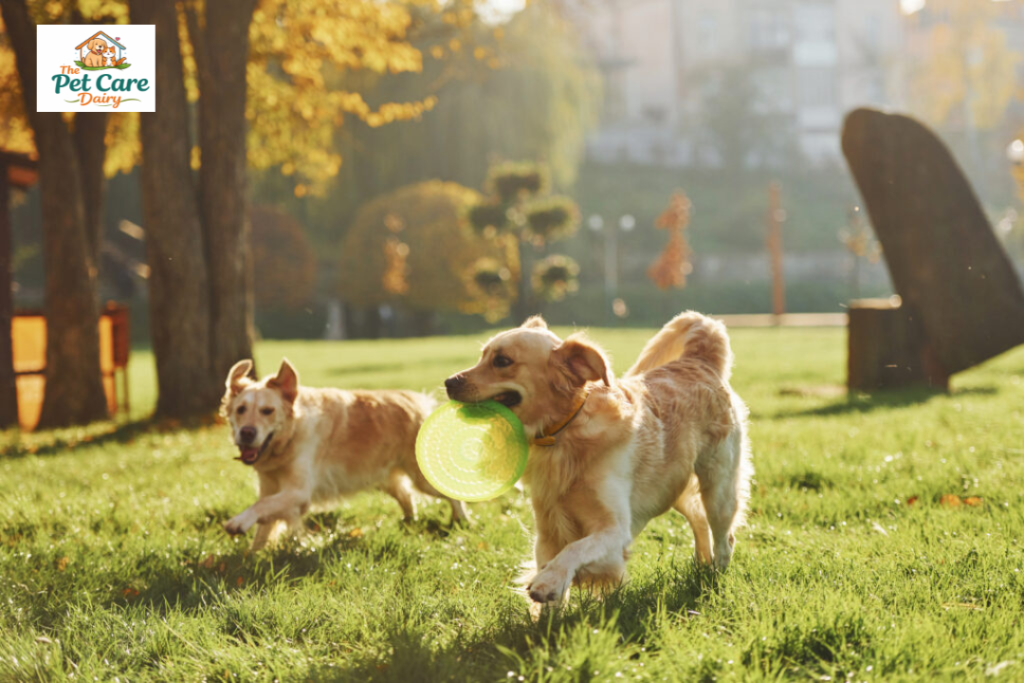
Before stepping out, do a quick surface check. If you cannot hold your palm on the ground for five seconds, it is too warm for your pet. Walk them only during cooler hours and use paw balm to stop burns and cracks.
“One of the biggest mistakes people make is walking their pets during peak afternoon hours. If the ground is too hot for your hand, it is too hot for their paws,” adds Gupta.
Know the signs of heatstroke
Excess panting, drooling, vomiting, glazed eyes or sudden weakness are warning signs. Move your pet to a cool space immediately, use a moist towel, and seek veterinary help without delay.
“Heatstroke is not just a possibility, it is a real emergency. Excessive panting, drooling or sudden weakness should never be ignored,” he warns.
Keep indoor spaces cool
Ensure proper ventilation, use fans or cooling systems, and avoid allowing heat build up indoors. Your pet should always have a shaded, comfortable resting spot.
Groom, but don’t overdo it
Regular brushing helps airflow through the coat. However, avoid shaving double-coated breeds like Huskies or Golden Retrievers, as their fur actually protects them from heat and sunlight.
“Also, avoid shaving double-coated breeds. Their fur actually helps regulate temperature and protects them from direct heat,” Gupta notes.
The things you should never do
Never leave pets in parked cars
Even for a few minutes, a parked car can become dangerously warm, reaching up to 70°C. This can be fatal.
Avoid outdoor activity during peak hours
Do not walk or exercise pets between 11 am and 5 pm. Heat and humidity can quickly lead to heatstroke.
Don’t ignore behavioral changes
A sudden drop in hunger, energy or water intake could signal dehydration or illness. It is always better to consult a vet early.
Never self-medicate
Human medicines, including painkillers or ORS, can be poisonous for pets. Always consult a veterinarian before giving any medicine.
Indian summers are getting longer and harsher, and pets depend entirely on their owners to stay safe. The good news is that a few conscious changes in daily routine can make a significant difference. “Small, mindful changes like adjusting feeding times, ensuring ventilation and avoiding peak heat can make a huge difference to your pet’s well-being,” Gupta says.
From something as simple as adjusting walk timings to ensuring proper hydration, these little steps can prevent serious health issues and keep your pet comfortable through the season. Because when it comes to summer care, a little effort from you means a lot more comfort for them.
Summer can be extremely challenging for pets, especially in hot areas where temperatures rise quickly. As a responsible pet parent, it is important to follow simple do’s and don’ts to keep your furry friend safe and comfortable. Always ensure your pet has access to fresh drinking water, a cool resting spot, and avoid taking them out during peak heat hours. Regular grooming and light food can also help maintain their health. On the other hand, never leave your pet in a parked car, avoid hot sidewalks that can burn their paws, and do not over-exercise them in the heat. By taking these small but essential precautions, you can protect your pet from dehydration, heatstroke, and other summer-related health issues, ensuring they remain happy and healthy throughout the season.
In addition to basic care, it is important to close observe your pet’s behavior during summer. Pets often show early signs of discomfort such as excessive panting, lethargy, or loss of appetite. These symptoms should never be ignored, as they may indicate overheating. Providing cooling options like wet towels, shaded areas, or cooling mats can help regulate their body temperature and keep them relaxed during the day.
Another important aspect of summer pet care is maintaining proper sanitation.
Warm weather can increase the risk of ticks, fleas, and skin infections. Regular brushing, occasional bathing, and checking your pet’s coat can prevent these issues. Using vet-recommended anti-tick products can also ensure your pet stays protected from harmful parasites.
It is also beneficial to adjust your pet‘s daily routine according to the weather. Planning walks early in the morning or late in the evening when temperatures are lower. Indoor activities and light play sessions can keep your pet active without exposed them to harsh heat. Creating a flexible regimen helps maintain both physical health and mental well-being.
Summer can be an enjoyable season for both pets and their owners, but rising temperatures also bring serious health risks. Dogs, cats, and other companion animals are more vulnerable to dehydration, heat depletion, sunburn, and heatstroke than many people realize. As temperatures soar across many regions in 2026, pet parents must take extra precautions to keep their furry companions safe, comfortable, and healthy. Understanding a few simple do’s and don’ts can make a significant difference in protecting pets from the dangers of extreme heat.
One of the most important things pet owners should do during summer is ensure consistent access to fresh, clean drinking water. Hydration plays a vital role in regulating body temperature and supporting overall health. Water bowls should be refilled regularly and placed in shaded, readily accessible locations. Many pet owners also use water fountains, which encourages pets to drink more frequently. Providing cool indoor resting areas with fans, air conditioning, or cooling mats can help pets remain comfortable during the hottest parts of the day.
Exercise remains important, but timing matters.
Walks and outdoor play sessions should be scheduled during the early morning or late evening when temperatures are lower. Midday heat can quickly lead to overheating and discomfort. Pet owners should also pay close attention to hot surfaces such as sidewalk, concrete, sand, and artificial turf, which can become hot enough to burn sensitive paw pads. A simple hand test can help determine whether a surface is safe for walking.
Nutrition should not be overlooked during summer. Fresh food should be served and removed promptly to prevent spoilage in warm weather. Hydrating foods and veterinary-approved treats can help support moisture intake. Monitoring hunger and water consumption is also important because sudden changes may indicate heat-related stress or illness.
Summer grooming can improve comfort as well. Regular brushing helps remove surplus fur, improves air circulation through the coat, and reduces the risk of matting. However, pet owners should avoid trimming double-coated breeds unless specifically recommended by a veterinarian or professional groomer, as their coats help regulate temperature and provide protection from the sun.
There are also several important things pet owners should avoid.
Pets should never be left unattended in parked vehicles, even for a few minutes. Temperatures inside a car can rise rapidly and become life-threatening. Signs of heatstroke can develop quickly and may include excessive panting, drooling, weakness, vomiting, confusion, and difficulty breathing. If these symptoms appear, immediate veterinary attention is essential.
Owners should also avoid overexercising pets during hot weather. Intense activity during peak heat increases the risk of overheating and dehydration. Flat-faced breeds such as Pugs, Bulldogs, and Persian cats are particularly vulnerable because they often struggle to regulate body temperature efficiently. Senior pets, puppies, kittens, and animals with medical conditions may require additional care and supervision during hot weather.
For more such pet care information, connect with us today: https://thepetcarediary.com